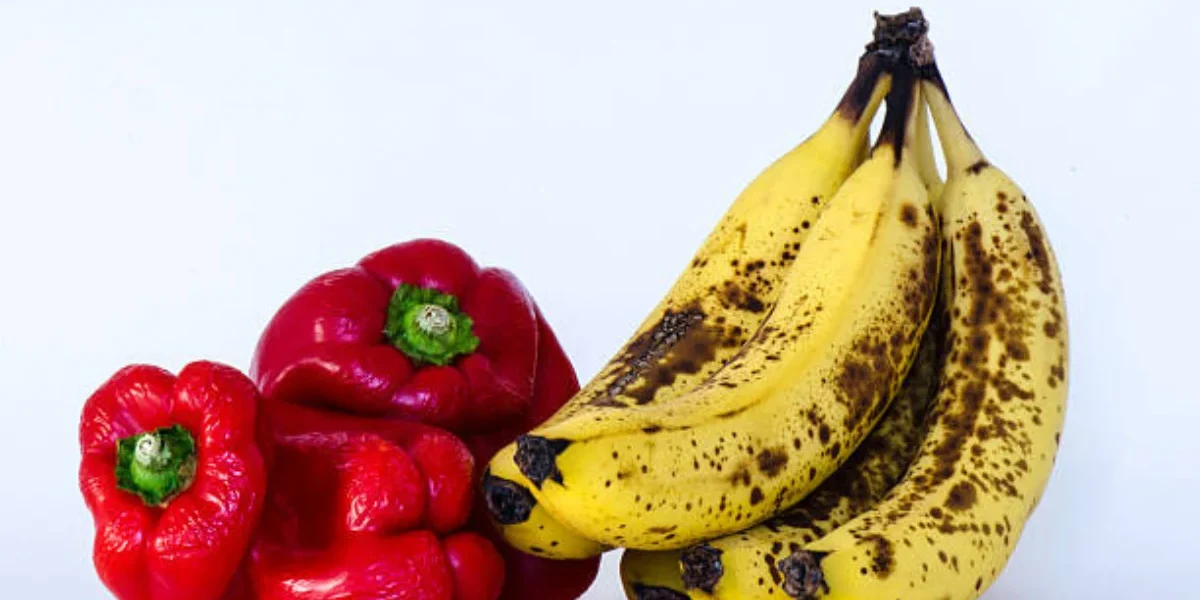
Introduction: How long will the crop (fruits/vegetables) last before spoiling?
Farmers ask me this after every harvest with genuine worry in their voice.
“Lalita, how long will my tomatoes last? My onions are already sprouting. My grain smells different. What is happening?”
Most of the time the answer is simple. They stored the produce in the wrong conditions. The wrong temperature. The wrong humidity. The wrong packaging. And nobody told them how long that specific produce actually lasts under those specific conditions before it starts to deteriorate.
Post-harvest loss is one of the most painful experiences in farming. You worked the whole season. You harvested a good crop. And then it spoils before you can sell it or eat it. Money gone. Effort gone. Season wasted.
I built the Shelf Life Calculator for fruits/vegetables on moralinsights.com to prevent that. Select your produce from 10 categories covering over 50 crops and products. Choose your storage method, your climatic zone, your packaging type, and your produce moisture condition. The tool tells you exactly how long your produce will last, shows you the shelf life across all 8 storage methods for comparison, identifies your biggest spoilage risk, and gives you specific preservation tips for your exact produce.
Know how long it lasts before you store it. Plan your sales and consumption around real numbers.
🌾 Shelf Life Calculator for Crops and Produce
Estimate the shelf life of any crop or agricultural produce based on storage method, temperature, humidity, and packaging. Get preservation tips and storage duration across all climatic conditions — worldwide.
1) Select Your Produce
2) Storage Conditions
Why Post-Harvest Losses Are the Most Preventable Loss on Any Farm
A crop lost after harvest is a complete loss. You already paid for the seed, the fertilizer, the water, the labour, and the land. Every kilogram that spoils in storage is pure loss with no recovery.
According to the FAO report on Global Food Losses and Food Waste, approximately 14 percent of all food produced globally is lost between harvest and retail. For fresh fruits and vegetables in tropical developing countries, post-harvest losses often exceed 30 to 40 percent. The majority of these losses are preventable with correct storage knowledge and basic storage infrastructure.
Here is what happens when farmers store produce without knowing its shelf life requirements.
Temperature mismatch is the biggest single cause of fresh produce loss. Tomatoes refrigerated below 10 degrees Celsius suffer chilling injury that destroys their flavour and texture within days even though they look fine. Bananas stored in a cold room turn black on the outside while the inside is still unripe. Potatoes stored at room temperature in a warm tropical climate sprout and soften within 2 to 3 weeks when they could last 3 to 6 months in proper cool storage. Each produce has a specific temperature requirement. Ignoring it accelerates spoilage.
Humidity causes two opposite problems depending on the produce. High humidity causes mould on dry grain and spices. Low humidity causes shrivelling and water loss in fresh vegetables and fruits. A wheat store at 80 percent humidity develops mould and loses germination quality within weeks. A refrigerator set too cold and dry causes leafy greens to wilt in 2 days instead of lasting a week. Matching humidity to produce type is as important as temperature.
Wrong packaging multiplies all other problems. Open storage exposes all produce to insects, moisture fluctuation, and contamination. Sealed plastic bags trap moisture against grain and cause mould. The right packaging for grain is hermetic. The right packaging for fresh tomatoes is open air at room temperature. The right packaging for moringa powder is a sealed glass jar with a desiccant. Every produce category has a packaging preference that either extends or shortens its shelf life significantly.
Moisture content at harvest is the foundation of grain and spice storage. Maize stored at 16 percent moisture grows aflatoxin-producing mould within weeks. The same maize stored at 13 percent moisture in a hermetic bag lasts 18 months safely. Groundnut stored above 9 percent moisture is an aflatoxin risk. Knowing the moisture threshold for your specific grain and measuring before storage is the most important post-harvest action any grain farmer can take.
Research from the World Bank Post-Harvest Loss Assessment confirms that simple improvements in storage conditions and packaging, without any sophisticated infrastructure, can reduce post-harvest losses by 30 to 50 percent for most grain and pulse crops in smallholder farming systems.
What the Shelf Life Calculator Calculates
This tool gives you four complete outputs for every produce and storage combination you enter.
Estimated Shelf Life for Your Specific Conditions
Your base shelf life for the selected produce and storage method, adjusted by three multipliers applied in sequence. The climate zone multiplier accounts for the fact that tropical heat and humidity accelerate spoilage compared to temperate conditions. A tomato lasts longer in a European summer than in an Indian summer under the same storage method. The packaging multiplier accounts for the significant difference between open storage and hermetic or vacuum-sealed packaging. Modified atmosphere packaging can extend shelf life by 30 percent above sealed plastic. The moisture multiplier accounts for the critical role of produce moisture content at the time of storage. High-moisture grain stored in any condition deteriorates much faster than properly dried grain.
The final adjusted figure is displayed in the most readable time unit days for short-lived produce, weeks for medium-term storage, months and years for dry goods and processed products.
Storage Quality Risk Level
Four risk levels shown with colour coding. Red indicates very high risk produce that must be used or sold within days. Orange indicates high risk produce that needs close daily monitoring. Yellow indicates moderate risk that needs regular weekly checks. Green indicates low risk produce well suited to the selected storage method. The risk level helps you prioritize which produce in your storage needs attention first.
Key Spoilage Factor
The specific biological or chemical mechanism that causes this produce to deteriorate in storage. Knowing your spoilage factor tells you what to watch for during storage inspections. Mould growth looks different from insect damage. Rancidity smells different from bacterial soft rot. Ethylene-triggered ripening behaves differently from dehydration. Each produce has its primary spoilage pathway and understanding it helps you intervene early.
Shelf Life Comparison Across All 8 Storage Methods
A complete side-by-side comparison showing your adjusted shelf life estimate for every available storage method room temperature, cool dry place, refrigerator, cold storage, freezer, controlled atmosphere, hermetic silo, and traditional storage. This comparison is the most practically useful output in the tool. It shows you exactly how much shelf life you gain by upgrading from one storage method to the next, so you can decide whether the investment in better storage is worth it for your specific produce and situation.
Produce-Specific Preservation Tips
Five targeted preservation tips for your selected produce based on its specific biology and storage requirements. These are not generic storage tips. They are specific to the produce you selected. The tips for moringa leaves are completely different from the tips for black pepper or for ghee. Each set of tips addresses the primary spoilage risks for that specific produce and tells you exactly what to do to maximise its storage life.
What Does the Calculator Ask You to Enter?
The tool has two clear input sections.
Produce Selection
Select your produce category from 10 options: Grains and Cereals, Pulses and Legumes, Vegetables, Fruits, Leafy Greens and Herbs, Spices and Condiments, Oilseeds, Dairy Products, Agricultural Powders, and Processed Farm Products. The produce dropdown updates automatically to show all available items in your selected category. Over 50 specific produce types are covered across all categories.
Storage Conditions
Select your storage method from 8 options. Room temperature and open air is the baseline for fresh market produce. Cool dry place covers shade storage in a well-ventilated room. Refrigerator covers household refrigeration at 2 to 8 degrees. Cold storage covers commercial cold rooms at 0 to 4 degrees. Freezer covers below-zero storage at minus 18 degrees. Controlled atmosphere is commercial CA storage with modified oxygen and carbon dioxide levels. Hermetic silo and sealed bag covers airtight grain storage. Traditional storage covers mud pot, pit, and traditional grain store methods.
When you select a storage method, the temperature and humidity fields update automatically to the typical values for that method. You can adjust both manually if your actual storage conditions differ from the defaults. This is important for farmers in unusually hot or cold microclimates.
Select your climatic zone from 5 global climate categories. Select your packaging type from 8 options ranging from no packaging to modified atmosphere packaging. Select your produce moisture condition safe for storage, borderline, or high moisture risk. This moisture input is especially important for grain, pulse, oilseed, and spice producers.
What Makes This Calculator Practically Useful
It Covers 10 Product Categories Including Dairy and Processed Products
Most shelf life references cover grain or fresh produce. This tool covers everything on a farm from wheat grain to fresh milk to moringa powder to honey to virgin coconut oil. Every category has specific storage science behind it and the tool applies that science for each product individually.
It Adjusts for Your Actual Climate Zone
A wheat farmer in Canada and a wheat farmer in Nigeria face very different storage challenges even using the same hermetic bags. The climatic zone multiplier ensures your shelf life estimate reflects your actual environment, not a global average that fits nobody’s situation precisely. Tropical farmers see shorter estimates that reflect the real accelerating effect of heat and humidity. Cold region farmers see longer estimates that reflect the preservation benefit of their climate.
It Shows All 8 Storage Methods Side by Side
This comparison table is what makes the tool a genuine decision support tool rather than a simple reference. When you see that your maize lasts 3 months at room temperature but 18 months in a hermetic bag and you know hermetic bags cost very little, that comparison tells you exactly what investment to make. When you see that cold storage extends your mango shelf life by 3 weeks over room temperature, you can calculate whether the cold storage rental cost is justified by the price premium you will earn from selling later.
It Gives Produce-Specific Tips Not Generic Advice
Generic storage advice like “keep in a cool dry place” is not useful when what you really need to know is that your onions should not be stored near potatoes, that your moringa powder needs an opaque container because light degrades it, or that your groundnuts must be below 9 percent moisture to avoid aflatoxin risk. The preservation tips in this tool are specific to each produce and address its most critical storage vulnerabilities.
Who Benefits Most from This Calculator?
Grain Farmers Making Storage Decisions After Harvest
You harvested your maize or wheat and need to decide whether to sell immediately or store for a better price. This tool tells you how long you can safely store your grain under your available storage conditions and what the difference in shelf life is between your current storage method and a hermetic bag upgrade.
Vegetable and Fruit Farmers Planning Market Timing
You have 200 kg of onions harvested. You want to sell in 6 weeks when the price is higher. This tool tells you whether your storage conditions can keep the onions in good condition for 6 weeks and what you need to do to make that work.
Cold Storage Business Operators
You store produce for multiple farmers in your cold room. This tool helps you advise farmers on the expected storage life of their produce in your facility and set realistic expectations for when they need to retrieve and sell their stock.
Home Gardeners and Kitchen Farmers
You grew your own vegetables and herbs. You want to know how to store them correctly and how long they will last. The tips and shelf life estimates in this tool cover everything from spinach to garlic to curry leaves to homemade ghee.
Food Processors and Powder Producers
You are producing moringa powder, turmeric powder, or chili powder for sale. This tool tells you how long your finished product will last under different packaging and storage conditions so you can set correct best-before dates and advise your buyers on storage requirements.
Agricultural Extension Workers and Post-Harvest Advisors
Use this tool during farmer training sessions to show the tangible difference that storage method and packaging make for specific produce in specific climatic zones. Real numbers for real produce in real conditions are far more convincing than generic training materials.
Step-by-Step: How to Use the Shelf Life Calculator
Here is a complete example. You are a farmer in a tropical region. You have just harvested 500 kg of onions. You plan to store them at room temperature in jute bags and sell in 4 weeks. You want to know if that is realistic and what you should do differently.
Open the Shelf Life Calculator on moralinsights.com.
Select Vegetables as Produce Category. Select Onion from the produce list.
Select Room Temperature as Storage Method. Temperature auto-fills to 28 degrees Celsius, humidity to 70 percent.
Select Tropical as Climatic Zone.
Select Jute Bag as Packaging Type.
Select Safe for Storage as Moisture Condition you cured your onions properly.
Click Calculate Shelf Life.
Your results will show your adjusted shelf life for onions at room temperature in a tropical climate in jute bags. The storage comparison table will show you how much longer the same onions would last in cool dry shade storage versus room temperature. The preservation tips will tell you to cure your onions for 2 to 3 weeks, store in single layers with good airflow, keep humidity below 65 percent, and remove any sprouting or soft bulbs immediately.
Now change Storage Method to Cool Dry Place and click Calculate again. See how the shelf life changes. That comparison tells you whether the effort of moving your onions to a cooler storage location is worth the extra weeks of shelf life you gain.
For internationally recognized post-harvest storage standards and shelf life references for agricultural produce, the FAO Post-Harvest Management guidelines and the World Food Programme Post-Harvest Loss Reduction technical resources provide the storage science references used by post-harvest specialists worldwide.
Related Tools on MoralInsights.com
Use the Shelf Life Calculator alongside these tools for a complete post-harvest management and agri-business plan.
Cold Storage Calculator When the shelf life comparison shows you that cold storage significantly extends your produce life, use this tool to size and cost a cold storage unit for your farm or agri-business.
Grains Storage Capacity Calculator Know how many tonnes of grain your warehouse or silo can hold. Combine with the shelf life calculator to plan how much grain you can safely store for how long in your available structure.
Export Quality Grader Before storing for export, check whether your produce meets international quality standards. Only export-quality produce is worth the investment in premium storage for long shelf life.
Farmer Profit and Loss Calculator Calculate whether the additional income from holding your produce longer in storage justifies the storage cost. Compare your profit at immediate sale versus delayed sale after storage.
Powder Yield and Profit Calculator If your fresh produce shelf life is too short to reach your target market, converting it to powder dramatically extends its shelf life. Use this tool to calculate whether powder processing is financially viable for your produce.
Crop Yield Calculator Estimate your harvest volume before harvest day and use that estimate to plan your storage capacity and storage method in advance rather than scrambling after the produce is already cut.
Biogas Plant Calculator Spoiled or rejected produce that cannot be sold can be fed into a biogas plant as organic input. Calculate the energy value of your storage losses to recover value from unavoidable spoilage.
Frequently Asked Questions
Why does the same produce last different amounts of time in different climates?
Temperature and humidity are the two most powerful drivers of biological and chemical spoilage processes. At higher temperatures, bacteria multiply faster, fungi grow faster, enzymes break down produce faster, and chemical reactions like rancidity and oxidation proceed faster. The relationship is not linear a 10 degree Celsius increase in temperature roughly doubles the rate of most spoilage reactions.
Humidity determines whether produce loses moisture through dehydration or gains moisture from the environment. Grain gains moisture in high humidity and loses it in low humidity. Fresh vegetables lose moisture in low humidity and develop surface mould in high humidity. Matching humidity to your produce type is as important as temperature management.
A tropical farmer in India or Nigeria faces much higher baseline temperatures and humidity than a temperate farmer in Europe. The climate zone adjustment in this tool reflects that reality so your shelf life estimate is appropriate for your actual environment.
What is the single most important thing I can do to extend shelf life for grain storage?
Reduce moisture content before storage. This is the foundation of all grain preservation. Grain stored at safe moisture content below 13 percent for maize, below 12 percent for wheat, below 14 percent for paddy is resistant to mould and insect damage for months to years in good storage. The same grain stored at 16 percent moisture will develop mould within weeks regardless of your storage structure or packaging.
Sun-dry your grain until it passes the tooth test hard grains that do not indent when bitten. Then use hermetic bags or metal silos to maintain that low moisture content during storage. These two steps together proper drying and hermetic storage are the highest-impact post-harvest interventions available to any smallholder grain farmer at minimal cost.
Can I use this tool for produce I plan to export?
Yes. Select your target export storage method typically cold storage or controlled atmosphere and your destination climate zone. The shelf life estimate tells you whether your produce can survive the expected transit and storage time to reach your export market in acceptable condition. Combine with the Export Quality Grader to ensure both quality standards and storage life are adequate for your export destination.
For export produce, always add a safety margin of 20 to 30 percent to the minimum required shelf life to account for transit delays, temperature fluctuations during shipping, and border inspection holding times.
My onions are sprouting after 3 weeks. What went wrong?
Three things cause premature sprouting in onions. First, storage humidity is too high. Onions need low humidity storage below 65 percent relative humidity. High humidity triggers sprouting even at correct temperature. Second, the onions were not properly cured before storage. Curing for 2 to 3 weeks after harvest in a warm well-ventilated location hardens the neck and outer layers and dramatically reduces sprouting and neck rot. Third, storage temperature is too warm. Onions stored above 25 degrees Celsius sprout much faster than those stored at 15 to 18 degrees in shade storage.
The preservation tips section of this tool for Onion covers all three of these causes specifically.
Conclusion
Your produce worked for months to grow. Your soil, your water, your fertilizer, your labour all of it is locked inside every kilogram sitting in your storage right now.
Do not let it spoil because you did not know how long it lasts or how to store it correctly.
The Shelf Life Calculator on moralinsights.com gives you the answer for over 50 crops and products across 8 storage methods, 5 climate zones, and 8 packaging types. It shows you your shelf life, your risk level, your spoilage factor, a full storage method comparison, and specific preservation tips all in one calculation.
Know how long your produce lasts. Store it correctly. Sell it at the right time.
Disclaimer
The Shelf Life Calculator on moralinsights.com provides estimated shelf life figures based on standard post-harvest science references and typical storage condition parameters. Results are approximate and for planning purposes only.
Actual shelf life depends on the specific variety and maturity of produce at harvest, hygiene and sanitation during harvest and post-harvest handling, physical damage during harvest and transport, actual storage temperature and humidity consistency over time, pest pressure in the storage environment, and the initial microbial load on the produce surface.
The shelf life estimates shown are for produce in good initial condition stored under the described conditions consistently throughout the storage period. Any deviation from described conditions a power cut in cold storage, a rain event wetting stored grain, a pest entry into a sealed bag will reduce actual shelf life below the estimate.
Always inspect produce regularly regardless of estimated shelf life and consume or sell any produce showing signs of deterioration immediately. The author and moralinsights.com accept no liability for post-harvest losses or food safety incidents arising from storage decisions made based on estimates from this calculator.
About the Author
Lalita Sontakke is the founder of moralinsights.com, a global agriculture-focused platform offering 53+ free tools and calculators for farmers, agronomists, and agricultural professionals worldwide. Her mission is to make precision farm management accessible to every farmer free, practical, and available from any device, anywhere in the world.
Leave a Reply