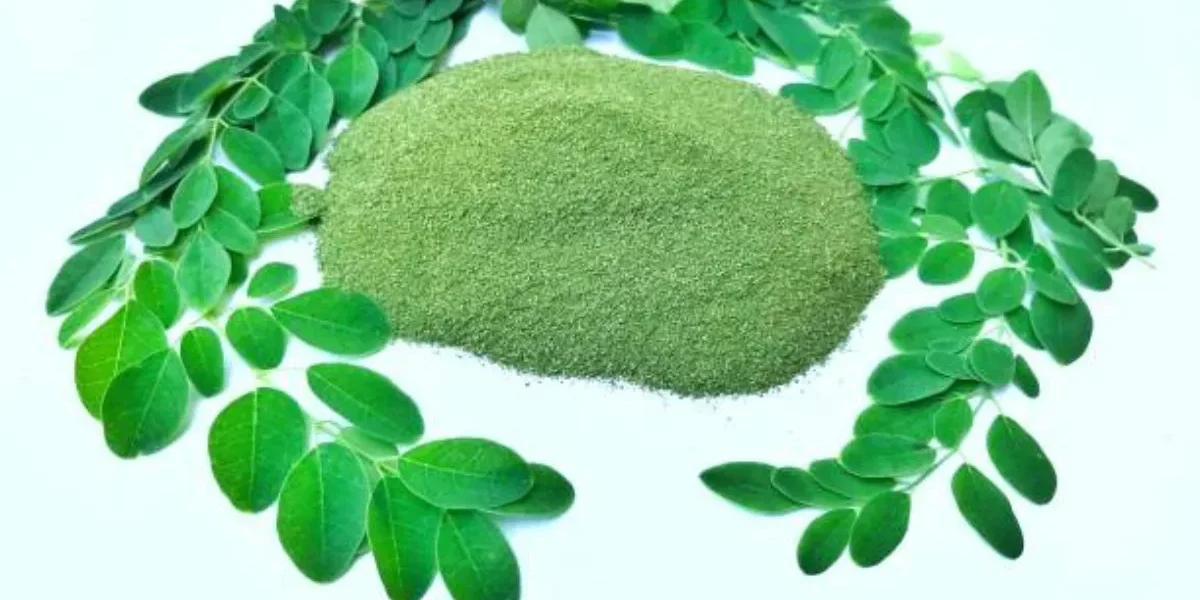
Introduction: Powder Yield Calculator
Farmers and small food processors ask me this question more than almost any other.
“Lalita, I have 100 kg of moringa leaves. If I dry them and sell the powder, will I make more money than selling fresh leaves?”
Most of them have no way to answer that question before they start. They dry the leaves, grind the powder, sell it, and only then realize the yield was much lower than expected. The powder output surprised them. The profit was smaller than they imagined. Or worse they made a loss.
The problem is always the same. Nobody calculated the moisture loss, the processing loss, the drying efficiency, and the final profit before the drying began.
I built the Advanced Powder Yield and Profit Calculator on moralinsights.com to answer that question before you harvest a single leaf. Enter your fresh weight, your product type, your drying method, your processing loss, your raw material cost, and your selling price. The tool tells you exactly how much powder you will get, how efficient your process is, and whether you will make a profit or a loss.
Calculate before you dry. Know your numbers before you grind.
Estimate drying yield, cost, revenue, and profit for agricultural powders globally.
Why Powder Production Without Planning Loses Money Every Time
Agricultural powder production looks simple from the outside. Dry the product. Grind it. Sell it. But the economics are far more complex than they appear.
According to the FAO report on Small-Scale Processing and Value Addition in Agriculture, post-harvest value addition through drying and processing is one of the highest-return activities available to smallholder farmers. But the same report confirms that incorrect yield estimation is one of the most common causes of financial loss in small-scale agricultural processing operations worldwide.
Here is what happens when farmers and processors skip the yield and profit calculation.
Moisture loss is always higher than farmers expect. Fresh moringa leaves are approximately 80 percent water by weight. That means 100 kg of fresh leaves gives you only 20 kg of dry matter before any processing loss. A farmer who expects 40 kg of powder from 100 kg of fresh leaves and gets only 18 kg after processing loss has a raw material cost problem they did not see coming.
Drying method changes your output significantly. Sun drying is free but produces a lower-quality powder with slightly higher moisture content in the final product. Machine drying is faster and more consistent but costs energy. Freeze drying preserves the most nutrients and commands the highest market price but has the highest processing cost and the lowest yield by weight. Choosing the wrong drying method for your target market and budget turns a profitable product into a loss-making one.
Processing loss compounds the moisture loss. After drying, grinding, sifting, and packing always lose additional product. Powder sticks to equipment. Coarse particles are rejected. Packaging fills unevenly. A realistic processing loss of 5 to 10 percent on top of moisture loss can be the difference between a profit and a loss on a tight margin product.
Selling price per kg of powder looks impressive until you divide by yield. Moringa powder sells for a high price per kilogram compared to fresh leaves. But if your yield efficiency is only 18 percent, you need to sell at a very high per-kilogram price just to cover your raw material cost. Knowing your break-even selling price before you commit to a buyer’s offer is essential.
Research from the International Food Policy Research Institute (IFPRI) on value chain development for smallholder farmers confirms that farmers who calculate yield and profit before committing to processing operations earn significantly more from value addition activities than those who process first and calculate later.
What the Powder Yield and Profit Calculator Calculates
This tool gives you six outputs that together tell you everything you need to know about your drying and powder production operation.
Powder Output in Kilograms
Your fresh weight multiplied by the moisture retention fraction for your product, then multiplied by your drying method efficiency factor, then reduced by your processing loss percentage. This is the actual kilograms of finished powder you can expect to produce from your entered fresh weight.
Every product has a different moisture content. Aloe vera loses approximately 92 percent of its fresh weight during drying. Garlic loses approximately 65 percent. Moringa and mint lose approximately 80 percent. The tool uses standard moisture loss values for each of the 24 products in its list. For any product not on the list, the Custom option lets you enter your own measured moisture loss percentage.
Efficiency Percentage
Powder output divided by fresh input multiplied by 100. This tells you what fraction of your fresh weight becomes usable finished powder. A moringa operation running at 18 percent efficiency produces 18 kg of powder per 100 kg of fresh leaves. An onion powder operation running at 12 percent efficiency after processing loss produces 12 kg per 100 kg of fresh onions. Knowing your efficiency number helps you plan your raw material procurement accurately for any target powder output.
Total Loss Percentage
100 minus efficiency. This is the combined weight of water removed during drying and material lost during processing. Understanding your total loss helps you set realistic expectations for raw material requirements and storage needs.
Total Raw Material Cost
Fresh weight in kilograms multiplied by your entered raw material cost per kilogram. This is your primary input cost for the entire batch. It does not include energy, labour, packaging, or equipment costs those are your additional costs to add on top of this figure when calculating your complete operation cost.
Revenue
Powder output in kilograms multiplied by your selling price per kilogram of powder. This is your gross income from selling the complete batch at your entered price.
Net Profit or Loss
Revenue minus total raw material cost. A positive number shown in green means your selling price covers your raw material cost and generates a return. A negative number shown in red means your raw material cost exceeds your revenue at the entered prices and you need to either raise your selling price, reduce your raw material cost, or improve your processing efficiency before this product is viable.
What Does the Calculator Ask You to Enter?
The tool has one clear input section with six fields.
Fresh Weight in Kilograms
Enter the total weight of fresh raw material you are planning to process in this batch. This is the weight before any drying begins. Weigh your fresh produce accurately before entering this number. A kitchen scale or farm weighing balance works fine for small batches. For large operations, use a platform scale.
Product Type
Select from 24 agricultural products: Moringa Leaves, Tulsi, Mint, Curry Leaves, Neem Leaves, Spinach, Coriander, Onion, Garlic, Ginger, Turmeric, Tomato, Banana, Apple, Mango, Amla, Beetroot, Carrot, Aloe Vera, Wheatgrass, Green Tea Leaves, Chili, Black Pepper, Drumstick Leaves, and Custom.
Each product uses a standard moisture loss percentage based on its typical water content. If you select Custom, a second field appears where you enter your own measured moisture loss percentage for any product not on the list.
Drying Method
Select from three drying methods. Sun Drying applies a standard efficiency factor and is the baseline method. Machine Drying applies a 5 percent efficiency reduction because machine-dried products lose slightly more usable material through the drying mechanism compared to natural sun drying, but produce a more consistent and hygienic final product. Freeze Drying applies a 10 percent efficiency reduction because freeze-dried material is more fragile and loses more in the grinding and handling stage, though the final powder commands a premium price.
Processing Loss Percentage
Enter the percentage of dried material lost during grinding, sifting, and packing. A realistic starting estimate for most small-scale operations is 5 percent. Larger commercial operations with well-calibrated equipment may achieve 3 percent. Manual operations with basic grinders may see 8 to 12 percent. Enter your actual observed processing loss if you have measured it, or use 5 percent as your planning estimate.
Raw Material Cost Per Kilogram
Enter the cost of your fresh produce per kilogram in your local currency. If you grew the produce yourself, enter your estimated production cost per kilogram from your Farmer Profit and Loss Calculator result. If you are buying fresh produce from the market or from farmers, enter your actual purchase price.
Selling Price Per Kilogram of Powder
Enter your target or actual selling price per kilogram of finished powder in your local currency. Research your local and online market rates for your specific product before entering this number. Moringa powder prices vary enormously between local markets and export-quality certified organic markets. Use the price you can realistically achieve for your quality and your market, not the highest price you have seen anywhere.
What Makes This Calculator Practically Useful
It Covers 24 Products With Accurate Moisture Loss Values
Most yield calculators cover one or two products. This tool covers 24 of the most widely processed agricultural powder products globally. Moringa, turmeric, amla, neem, wheatgrass, and aloe vera are high-value health products with growing global demand. Onion, garlic, ginger, and chili are kitchen staples with consistent domestic and export markets. Having accurate moisture loss values for each product in the tool means you get a realistic yield estimate without needing to look up moisture content tables separately.
It Separates Moisture Loss from Processing Loss
This is the distinction most farmers miss completely. Moisture loss is what happens during drying water leaves the product as vapour. Processing loss is what happens after drying during grinding, sifting, and packing dry material is lost to equipment surfaces, rejects, and packaging inefficiency. Both reductions happen in sequence and both affect your final yield. The tool applies them in the correct order so the combined effect on your output is accurately calculated.
It Adjusts for Drying Method
A farmer using freeze drying to produce premium moringa powder for an export buyer gets a different yield and a very different cost structure than a farmer sun-drying the same leaves for a local health food market. The drying method selection adjusts the efficiency calculation so your output estimate reflects your actual production method, not a generic average.
It Shows Loss and Profit in Red and Green
The visual feedback of green profit and red loss makes it immediately clear whether your current pricing and raw material cost combination works financially. You do not need to interpret numbers. The colour tells you the answer instantly. This is particularly useful when you are comparing different scenarios different selling prices, different raw material sources, different batch sizes by running the calculator multiple times.
Who Benefits Most from This Calculator?
Farmers Growing Moringa, Tulsi, Amla, or Other High-Value Medicinal Plants
You are growing a crop that has a much higher value as a processed powder than as fresh produce. Before you invest in a dryer or a grinder, use this tool to calculate exactly what yield and profit your operation will generate at your expected raw material cost and market selling price. Know the numbers before you buy the equipment.
Women Self-Help Groups and Small Food Processing Units
Many SHGs and small processors in rural areas make agricultural powders as a livelihood activity. This tool helps group leaders calculate the correct pricing for their powder products to ensure the operation is genuinely profitable after raw material costs. Underpricing processed powder is one of the most common financial mistakes in SHG food processing operations.
Agri-Entrepreneurs Evaluating a New Product Line
You are considering adding turmeric powder or onion powder to your existing farm produce sales. This calculator lets you model the economics of the new product line before you commit any capital to processing equipment or raw material procurement.
Export-Oriented Powder Processors
If you are producing moringa, neem, or wheatgrass powder for export, your raw material cost, yield efficiency, and selling price margins are critical. Use this tool alongside the Export Quality Grader to ensure your product meets export standards and your pricing covers your full production cost with a healthy margin.
Agricultural Colleges and Vocational Training Centres
This tool is an excellent practical teaching aid for food processing and value addition courses. Students can calculate yield and profit for different products and drying methods in real time, making the economics of post-harvest processing immediately tangible.
Step-by-Step: How to Use the Powder Yield and Profit Calculator
Here is a complete example. You have 50 kg of fresh moringa leaves. You plan to sun dry them and grind into powder. Your processing loss is typically 6 percent. You bought the fresh leaves at 30 units of local currency per kilogram. You plan to sell the moringa powder at 800 units per kilogram.
Open the Advanced Powder Yield and Profit Calculator on moralinsights.com.
Enter Fresh Weight as 50 kg.
Select Moringa Leaves as Product. The moisture loss of 80 percent is applied automatically.
Select Sun Drying as Drying Method.
Enter Processing Loss as 6 percent.
Enter Raw Material Cost as 30 per kg.
Enter Selling Price as 800 per kg.
Click Calculate.
Your results will show:
After 80 percent moisture loss from moringa leaves, dry weight is 50 x 0.20 equals 10 kg. Sun drying method applies 1.0x efficiency factor — no reduction. Processing loss of 6 percent reduces 10 kg to 9.4 kg of finished powder. Efficiency equals 9.4 divided by 50 multiplied by 100 equals 18.8 percent. Total loss equals 81.2 percent. Total raw material cost equals 50 x 30 equals 1,500 units. Revenue equals 9.4 x 800 equals 7,520 units. Net profit equals 7,520 minus 1,500 equals 6,020 units.
This result shows that moringa powder is financially very attractive at these prices because the selling price per kilogram is high enough to absorb the large moisture loss and still generate a strong profit margin. Now run the same calculation with a selling price of 200 units per kilogram and watch the profit disappear. That comparison shows you your minimum viable selling price before you commit to a buyer’s offer.
For internationally recognized drying technology standards and post-harvest value addition guidelines for agricultural products, the FAO Technical Guide on Drying of Foods, Vegetables and Fruits and the IFPRI Value Chain Development research series provide the technical and economic references used by agricultural processing specialists worldwide.
Related Tools on MoralInsights.com
Use the Powder Yield and Profit Calculator alongside these tools for a complete value addition and agri-business plan.
Farmer Profit and Loss Calculator — Calculate your cost of growing or sourcing the fresh raw material first. Use that cost per kilogram as your raw material cost input in the powder calculator for a complete farm-to-powder profit picture.
Export Quality Grader — If you are producing powder for export markets, use this tool to check whether your product and production process meets international quality standards before you approach an export buyer.
Cold Storage Calculator — Finished agricultural powders need cool, dry storage to maintain quality and shelf life. Use this tool to size and cost a cold storage unit for your powder inventory if you are producing at scale.
Crop Yield Calculator — If you are growing your own raw material crop, estimate your fresh yield before harvest and feed that number into the powder calculator to project your total powder output and profit for the entire season.
Grain Storage Capacity Calculator — For dry spice powders like turmeric, chili, and black pepper, use this tool to calculate your storage capacity needs for your finished powder inventory between processing and sale.
Biogas Plant Calculator — The organic waste from your powder processing operation — rejected leaves, stems, and powder waste — can feed a biogas plant. Calculate the energy value of your processing waste alongside your powder profit.
Carbon Credits in the Farming Sector — Moringa, neem, and agroforestry powder crops contribute to carbon sequestration on your farm. Read this guide to understand whether your production system qualifies for carbon income alongside your powder sales.
Frequently Asked Questions
Why is my moringa powder yield only 18 to 20 percent of fresh weight? Is that normal?
Yes. That is completely normal for moringa and most leafy green products. Fresh moringa leaves are approximately 78 to 82 percent water by weight. When you remove all that water during drying, the remaining dry matter is only 18 to 22 percent of the original fresh weight. Then your grinding and sifting process removes another 5 to 8 percent of that dry weight.
This is why moringa powder commands such a high price per kilogram in markets. You need 5 to 6 kilograms of fresh leaves to produce 1 kilogram of finished powder. The high fresh weight requirement relative to powder output is what justifies the price premium.
Which drying method gives the best profit for medicinal plant powders?
It depends entirely on your target market and your available investment.
Sun drying has zero energy cost and is suitable for volume markets where price is the primary competition. The limitation is that sun-dried powders have lower nutrient retention and less consistent quality. They are appropriate for domestic spice markets and bulk ingredient buyers.
Machine drying produces more consistent quality and faster throughput. It is better for regular supply contracts where consistency matters. The energy cost reduces your profit margin but the consistency adds value for commercial buyers.
Freeze drying produces the highest quality powder with maximum nutrient retention. It commands the highest selling price in premium health product markets and export markets. But the equipment cost and energy cost are high. Freeze drying only makes financial sense for very high-value products like moringa, amla, aloe vera, and wheatgrass where the selling price per kilogram is high enough to justify the processing cost.
Run this calculator with all three drying methods for your product and compare the profit in each scenario before deciding which method to invest in.
My processing loss is higher than 10 percent. What is going wrong?
Processing losses above 10 percent usually have one of three causes. First, the dried product is not dry enough before grinding. Partially dried material sticks to the grinder and is lost on surfaces. Make sure your product reaches the correct moisture content before grinding typically 8 to 12 percent moisture for most leaf powders.
Second, your grinder has large dead zones where powder accumulates and is not recovered. Clean your grinder thoroughly between batches and recover powder from all surfaces. Third, your sifting process is rejecting too much coarse material. Adjust your sieve mesh size or grind for longer to reduce coarse rejects.
A well-run small-scale operation should achieve 3 to 7 percent processing loss. Use this calculator to see the profit improvement from reducing your processing loss from 10 to 5 percent the difference is often significant.
Can I use this for non-leaf products like turmeric or ginger root?
Yes. Both turmeric and ginger are on the product list with their standard moisture loss values. Turmeric loses approximately 75 percent of fresh weight during drying. Ginger loses approximately 80 percent. Both are common powder processing operations with well-established domestic and export markets.
For root crops like turmeric and ginger, the processing loss is often slightly higher than for leaf products because root grinding produces more dust and fine particles that are lost during sifting. Enter a processing loss of 7 to 10 percent for root crop powders to get a realistic output estimate.
Conclusion
Drying and grinding your farm produce into powder is one of the most powerful value addition strategies available to any farmer. A kilogram of fresh moringa leaves worth a few units of currency becomes a kilogram of moringa powder worth many times more.
But only if the numbers work.
The Advanced Powder Yield and Profit Calculator on moralinsights.com shows you whether the numbers work for your specific product, your specific drying method, your specific raw material cost, and your specific selling price. Before you harvest. Before you dry. Before you commit to a buyer’s price.
Enter your fresh weight and your prices. See your powder output and your profit. Then decide whether to process or sell fresh.
Know before you dry.
Disclaimer
The Advanced Powder Yield and Profit Calculator on moralinsights.com provides estimated powder yield and profit figures based on standard moisture loss values and drying efficiency parameters for typical agricultural processing conditions. Results are approximate and for planning purposes only.
Actual powder yield depends on the specific variety and maturity of your raw material, actual moisture content at harvest, ambient humidity during drying, drying temperature and duration, equipment type and condition, grinding particle size, sifting mesh size, and operator skill.
The moisture loss percentages used in this tool are standard reference values and may differ from your specific product lot. Processing loss is entirely user-entered and accuracy depends on your own operational measurement. Revenue and profit calculations depend on user-entered prices and do not include energy costs, labour costs, packaging costs, equipment depreciation, or any overhead costs beyond raw material purchase price.
Always include all operating costs in your full business plan before making investment decisions. The author and moralinsights.com accept no liability for financial or investment decisions made based on estimates from this calculator.
About the Author
Lalita Sontakke is the founder of moralinsights.com, a global agriculture-focused platform offering 53+ free tools and calculators for farmers, agronomists, and agricultural professionals worldwide. Her mission is to make precision farm management accessible to every farmer — free, practical, and available from any device, anywhere in the world.
Leave a Reply