Vermicompost: How To Turn Your Farm’s Organic Waste Into black gold!
A complete guide to starting a vermicompost unit from bed sizing and worm selection to production targets, quality standards, and where to sell.
Introduction: Most Farmers Throw Away Something Worth ₹8–₹15 Per Kilogram Every Day
Crop residue. Cattle dung. Kitchen vegetable scraps. Weeds pulled from the field. Spoiled fodder. These materials leave most farms as waste burned, buried, or simply left to rot.
Every one of them is raw material for vermicompost and vermicompost sells for ₹8–₹15 per kg in retail markets, ₹5–₹8 per kg in bulk to other farmers, and ₹12–₹20 per kg in organic farming markets and online platforms.
A farmer with 3–4 cattle producing 30–40 kg of dung daily, combined with crop residue and kitchen waste, has enough raw material to produce 500–800 kg of finished vermicompost per month. At ₹8/kg bulk price, that is ₹4,000–₹6,400 per month from material that was previously a disposal problem.
This guide shows you how to set it up, how to size your beds, how to manage your worms, what quality standards buyers look for, and how to find and sell to markets that pay fair prices.
Good to Know: Vermicompost also dramatically benefits your own farm. Regular vermicompost application improves soil organic carbon, water-holding capacity, earthworm population, and microbial diversity reducing your need for chemical fertilisers by 20–40% over 2–3 seasons. The income from selling the surplus is a bonus on top of this on-farm benefit.
Understanding the Worms: Your Farm’s Smallest Employees
Not all earthworms make good vermicomposters. The species you need are epigeic worms surface-dwelling, fast-breeding composting specialists, not the deeper-burrowing soil builders found in fields.
The three main species used in India:
Eisenia fetida (Red Wiggler / Tiger Worm): The most widely available and most studied vermicomposting worm. Tolerates a wide temperature range (10–35°C), breeds prolifically (doubles population in 60–90 days), and produces high-quality castings. Available from most vermicompost suppliers and KVK centres.
Lumbricus rubellus (Red Earthworm): Similar to Eisenia fetida. Works well in cooler conditions.
Eudrilus eugeniae (African Nightcrawler): Preferred in South India and tropical coastal areas because it performs better in higher temperatures (25–30°C). Larger body size produces faster throughput but is more temperature-sensitive in cool conditions.
Where to get starter worms:
- Krishi Vigyan Kendra (KVK) in your district often provides worms at subsidised cost
- NABARD-supported FPOs with vermicompost units
- Other established vermicompost farmers in your area
- Licensed worm suppliers (search “Eisenia fetida supplier + your state”)
Quantity of starter worms you need: For a bed of 3 metres × 1 metre × 0.6 metres (height), start with 1–2 kg of worms (approximately 1,000–2,000 worms). The population will multiply to fill the bed within 60–90 days.
Bed Design and Sizing
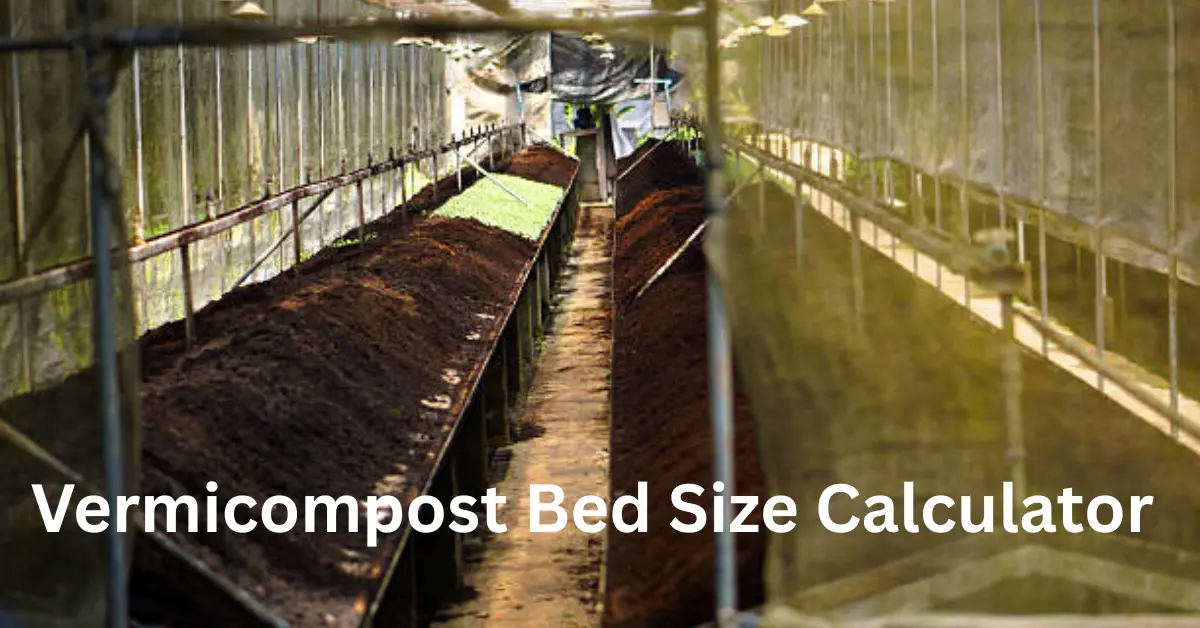
MoralInsights Tool: Our Vermicompost Bed Size Calculator is specifically built to calculate how many beds you need, what size they should be, and how much vermicompost you can produce per month based on your organic waste volume. Use it before building anything.
Standard bed dimensions:
The most practical bed size for farm-scale vermicomposting in India:
- Length: 3–10 metres (longer beds are more efficient but harder to manage alone)
- Width: 0.9–1.2 metres (wider than 1.2 metres is difficult to work from the sides without stepping in)
- Height of bedding: 0.45–0.60 metres
Bed materials:
Beds can be constructed from: brick and cement (permanent, best for larger operations), HDPE sheets or tarpaulins on the ground (cheapest, easy to move), wooden planks, bamboo frames, or old concrete water tanks cut in half.
The single most important design requirement: Drainage. Water must be able to drain from the base of the bed. Waterlogging kills worms quickly. Beds should either have drainage holes if raised, or be positioned on slightly sloped ground if on-ground.
Shade: Worms die rapidly in direct sunlight. Site your beds under a shed, tree canopy, or shade net (50% shading). A simple low-cost shade structure using bamboo poles and shade net costs ₹3,000–₹8,000 for 10 running metres of beds.
Feedstock: What to Feed, What to Avoid
Excellent feedstock for vermicompost:
- Cattle, goat, sheep, and poultry dung (partially dried, not fresh let it mature 7–10 days before adding)
- Crop residue chopped into pieces smaller than 5 cm (longer pieces decompose too slowly)
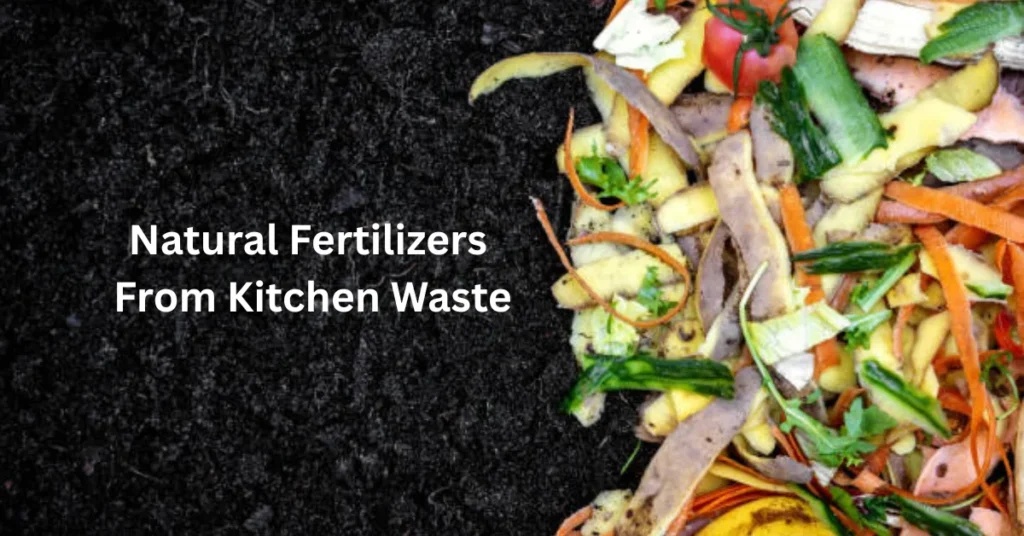
- Kitchen vegetable scraps and peel (not cooked food, not meat or fish)
- Dry leaves and garden waste
- Spoiled fodder and hay
- Paper scraps, cardboard (shredded, soaked)
Never add to your vermicompost bed:
- Fresh undiluted urine or very fresh dung (too high in ammonia, kills worms)
- Meat, fish, dairy, cooked food (attracts rodents, creates harmful gases)
- Oily or greasy materials
- Acidic materials in large quantities (citrus peels, vinegar waste)
- Any material treated with pesticides, herbicides, or fungicides these kill your worms
- Soil (heavy, restricts worm movement)
The carbon-to-nitrogen ratio: Like all composting, vermicomposting works best with a balanced mix of carbon-rich “brown” materials (dried crop residue, dry leaves, straw) and nitrogen-rich “green” materials (fresh dung, green plant material, vegetable scraps). Aim for roughly equal volumes of each.
The Production Cycle
Week 1–2: Prepare the bed with a 15–20 cm base layer of partially composted material. Moisten to damp (not wet squeeze a handful and only 2–3 drops should fall). Add worms. Cover with damp hessian or jute bag.
Week 2–8: Add feedstock in thin layers (5–8 cm) every 5–7 days as the worms process the existing material. Maintain moisture by sprinkling water if the surface dries out. Worms should be thriving if they are coming to the surface or trying to escape, check: too wet, too hot, or toxic material added.
Week 8–12: The bed begins filling with dark, crumbly, odourless worm castings. Feeding slows and castings dominate.
Week 12–14: Harvesting time. Move finished material to one side. Add fresh feedstock to the empty side. Worms migrate to fresh food over 7–10 days. Harvest the finished side.
What finished vermicompost looks like: Dark brown to black, crumbly, odourless (earthy smell only), no recognisable original material visible. If it smells bad, it is not finished.
Production and Income Estimates
Per bed (3m × 1m × 0.6m):
- Cycle time: 12–14 weeks for first harvest, then continuous
- Finished vermicompost per cycle: approximately 150–200 kg per bed
- Monthly output (steady state, continuous production): 50–65 kg per bed per month
For a 10-bed unit:
- Monthly production: 500–650 kg
- At ₹8/kg bulk rate: ₹4,000–₹5,200/month
- At ₹12/kg organic market rate: ₹6,000–₹7,800/month
- Annual income: ₹48,000–₹93,600
Investment for a 10-bed unit:
- Bed construction (brick, basic shed): ₹25,000–₹45,000
- Worm purchase (10 beds × 1.5 kg × ₹400/kg): ₹6,000
- Tools, moisture management: ₹3,000
- Total: ₹34,000–₹54,000
- Payback period: 6–14 months depending on selling price
Where to Sell Your Vermicompost
Local farmers (direct sale): Easiest and fastest channel. Organic and vegetable farmers in your area will buy at ₹5–₹8/kg in bulk. Word of mouth and WhatsApp groups in local farming networks are sufficient for small volumes.
Organic farming stores: Urban and semi-urban organic input shops buy at ₹8–₹12/kg and sell at ₹15–₹20/kg. Approach stores in your nearest town or district headquarters.
Nurseries and garden centres: Flower nurseries, landscaping businesses, and home garden shops buy vermicompost at ₹10–₹15/kg for use in potting mixes.
FPO (Farmer Producer Organisation) collective selling: If your area has an active FPO, join and sell collectively. Aggregated volumes get better prices from institutional buyers like state government departments, municipal bodies, and organic food companies.
Online platforms: AgriApp, DeHaat, BigBasket Organics, Amazon (through FBA), and local community agriculture Facebook/WhatsApp groups. Online selling needs proper packaging (branded 5 kg and 10 kg bags), but achieves the highest per-kg price (₹15–₹25).
Frequently Asked Questions
Q: My worms are dying. What am I doing wrong?
The five most common causes: too wet (add dry material, check drainage), too hot above 35°C (move to shade, add more moisture), pH too acidic (add a small amount of powdered lime to the feedstock), ammonia from too-fresh dung (let dung mature for 10 days before adding), or pesticide contamination in feedstock.
Q: Can I sell vermicompost without certification?
For local direct selling to farmers, no certification is required. For organic farming input markets, buyers may ask for certification from APEDA-recognised agencies if the vermicompost is to be used in certified organic production. For selling online with “organic” labelling, certification is required.
Q: How do I know my vermicompost quality is good enough to sell?
Finished vermicompost should have: dark colour, crumbly texture, earthy odour (not bad smell), less than 15% moisture (squeeze test: no water drops), and granular structure. You can send samples to a soil testing laboratory for NPK content analysis buyers appreciate this data sheet.
Disclaimer
Production estimates and income figures are illustrative based on typical farm-scale vermicompost operations. Actual output depends on worm health, feedstock quality, climate, and management practices.
Conclusion: Your Waste Has Value. Your Worms Will Prove It.
Vermicomposting is one of the lowest-capital, lowest-risk, highest-return small enterprises a farmer can add to their operation. It uses inputs that currently cost you nothing (or cost you effort to dispose of), requires minimal land, and produces a product with consistent and growing demand.
Start with 3–5 beds. Master the management. Scale when you have a buyer relationship established. Within one season you will be producing an income from materials you were previously burning.
Leave a Reply