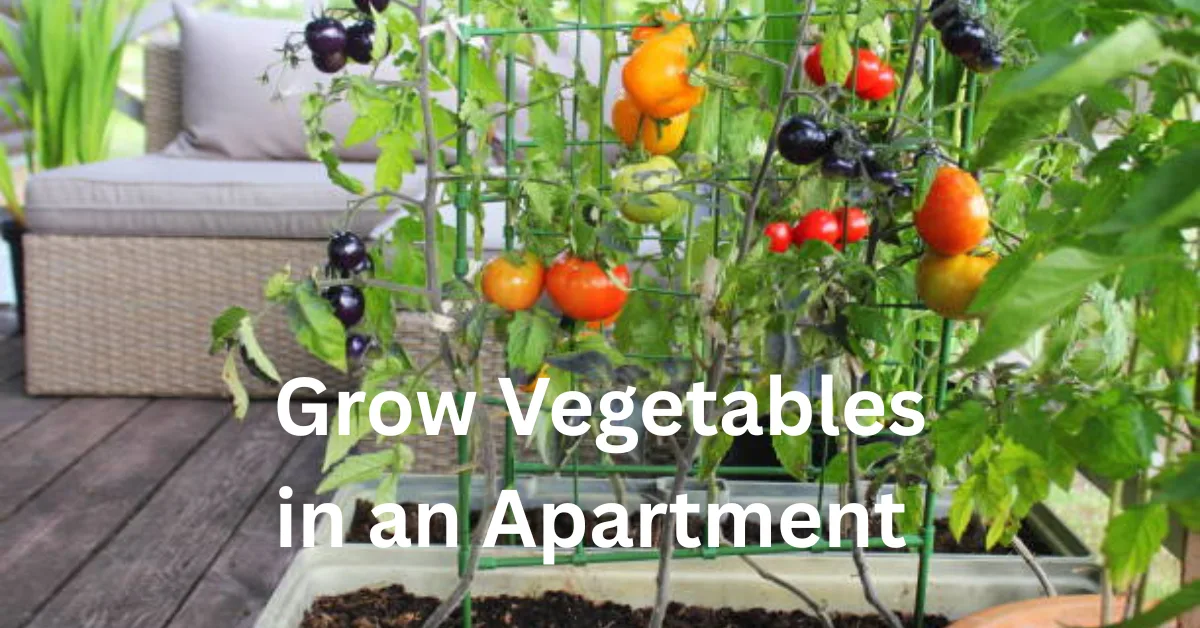
How to Grow Vegetables in an Apartment or Small Home
The Complete Urban Family Guide to Growing Food Without a Garden
🌿 Introduction: You Do Not Need a Garden to Grow Your Own Food
If you live in an apartment, a flat, or a small city home with little or no outdoor space, you might think that growing your own vegetables is simply not possible for you. Many urban families feel this way — and it is one of the biggest misconceptions about home farming.
The truth? Some of the most productive home gardens in the world are grown entirely on balconies, windowsills, and tiny terraces. In cities across the United Kingdom, Singapore, and the United States, India, Japan, thousands of families are growing fresh tomatoes, spinach, herbs, chillies, and even cucumbers in nothing more than a collection of pots on a balcony railing.
This article is your complete, practical guide to growing food in a small space — written specifically for urban families, apartment dwellers, and anyone who has ever looked at their balcony and thought: “Could I grow something here?”
The answer is yes. And this guide will show you exactly how.
💡 Key Insight: A 6×4 foot balcony with good sunlight can produce enough leafy greens and herbs to significantly reduce a family’s weekly grocery spend on fresh produce.
🧠 First: Change the Way You Think About Space
The first shift every successful small-space grower makes is mental. Instead of asking “Do I have enough space to grow food?”, start asking “How can I use the space I have most productively?”
Small-space gardening is about going vertical, thinking in layers, and choosing the right crops for your conditions. A single square metre of well-managed growing space can produce more food than most people imagine — especially when you choose fast-growing, high-yielding crops.
Think vertically: Walls, railings, and trellises multiply your growing space enormously.
Think in containers: Every container is a potential growing bed — from a 5-litre pot to a repurposed olive oil tin.
Think in succession: As soon as one crop finishes, replant immediately. Your containers should never be empty.
🌱 Remember: You are not trying to replace a supermarket. You are trying to grow the freshest, most nutritious version of your family’s most-used vegetables — and that is very achievable in a small space.
📐 Step 1: Honestly Assess Your Space and Sunlight
Before buying a single seed or pot, spend one full day observing your available space. Sunlight is the most important factor in small-space gardening — even more than space itself.
How to Measure Your Sunlight
Stand at your balcony, window, or terrace at three different times: 9 AM, 12 PM, and 4 PM. Note how much direct sunlight falls on each area. Be honest — partial shade (light filtered through a neighbouring building) is very different from full direct sun.
- Full sun (5+ hours direct sunlight) — Ideal for tomatoes, chillies, okra, beans, capsicum
- Partial sun (3–5 hours) — Good for spinach, fenugreek, coriander, radish, lettuce
- Low light (under 3 hours) — Suitable for mint, curry leaves, some microgreens, and sprouts
Common Small-Space Options
Balcony: Most productive option for apartment dwellers. Even a 4×3 foot balcony can hold 12–20 pots. South or west-facing balconies get the best sun in the northern hemisphere.
Windowsill: Perfect for herbs and microgreens. A deep windowsill with a south-facing window gets enough light for basil, mint, coriander, and spring onions.
Kitchen counter near window: Herb gardens, sprout jars, and microgreen trays thrive here. No outdoor access needed at all.
Shared terrace or rooftop: If accessible, this is the closest thing to a real garden. Even 20–30 sq feet of terrace space can produce a remarkable amount of food.
⚠️ Important: Never guess your sunlight. The single biggest cause of failed apartment gardens is placing sun-loving plants (tomatoes, chillies) in low-light spots. Observe first, then plant.
🥬 Step 2: Choose the Right Crops for Small Spaces
Not every vegetable suits small-space growing. The best crops for apartments and small homes share certain qualities: they grow vertically or compactly, they produce quickly, they thrive in containers, and they give a high yield relative to the space they occupy.
The Best Small-Space Crops (Ranked by Suitability)
| Crop | Space Needed | Sunlight | Ready In |
| Spinach / Palak | Small pot (5L) | Partial sun | 25–30 days |
| Fenugreek / Methi | Small pot (5L) | Partial sun | 20–25 days |
| Coriander | Small pot (5L) | Partial sun | 21–28 days |
| Spring Onion | Any container | Partial sun | 30–40 days |
| Mint / Pudina | Medium pot (10L) | Partial shade | Ongoing |
| Radish | Medium pot (10L) | Partial sun | 25–35 days |
| Chillies | Medium pot (10L) | Full sun | 60–75 days |
| Cherry Tomatoes | Large pot (20L) | Full sun | 55–70 days |
| Lettuce | Small pot (5L) | Partial sun | 30–45 days |
| Beans (climbing) | Large pot + trellis | Full sun | 50–60 days |
💡 Pro Tip: Always prioritise crops your family uses every week. If you cook with coriander and chillies daily, start there. Instant real-world value keeps you motivated to continue.
🪣 Step 3: Smart Container Choices for Small Spaces
In small-space farming, your containers are your garden beds. Choosing the right containers — and arranging them smartly — can double or triple your growing capacity.
Container Types That Work Best
- Vertical pocket planters — Wall-mounted fabric pockets that hold 8–12 plants in the space of a single poster. Ideal for herbs and leafy greens on balcony walls.
- Stackable tower planters — Plastic towers that stack 4–6 planting pockets vertically. Excellent for strawberries, herbs, and lettuce.
- Railing planters — Hook over balcony railings to use otherwise dead space. Good for trailing herbs and compact plants.
- Grow bags — Lightweight, foldable, and cheap. Available in sizes from 5L to 50L. The best all-purpose container for balcony and terrace growing.
- Repurposed containers — Old buckets, cooking oil tins, large yoghurt tubs, wooden crates — all work perfectly with drainage holes drilled in the bottom.
The Golden Rule of Container Size
Match your container to your crop’s root depth. Using a too-small pot is the most common mistake in apartment gardening:
- Shallow roots (under 15 cm): spinach, lettuce, herbs, radish, spring onion — need at least a 15 cm deep container
- Medium roots (15–30 cm): chillies, brinjal, small tomato varieties — need at least a 25–30 cm deep container
- Deep roots (30+ cm): large tomatoes, beans, cucumbers — need at least a 40 cm deep container
Going Vertical: Double Your Space
The most powerful technique in small-space gardening is vertical growing. Instead of spreading plants across your floor space, grow them upward:
- Install a simple bamboo or metal trellis on your balcony wall for beans, peas, and cucumbers
- Use wall-mounted shelves to stack 3–4 rows of pots in the footprint of one row
- Hang planters from the ceiling of a covered balcony for trailing plants
- Fix pocket planters directly to walls using simple hooks
🌿 Space Math: A 3-tier wall shelf holding 9 medium pots takes up just 60 cm of floor space but gives you the growing capacity of a small garden bed. Vertical thinking changes everything.
🌍 Step 4: The Right Potting Mix — Non-Negotiable for Container Success
Garden soil from the ground is too heavy for pots — it compacts, suffocates roots, and drains poorly. For container growing, you need a specially prepared potting mix that is light, nutrient-rich, and drains well.
The Best DIY Potting Mix for Apartments
Mix these three ingredients in equal parts:
- Cocopeat (coconut fiber) — Holds moisture, very light, available at any nursery. Makes up the base of the mix.
- Compost or vermicompost — Provides nutrition. Use well-rotted home compost, vermicompost, or bagged organic compost.
- Perlite or coarse river sand — Improves drainage so roots never sit in waterlogged soil. Perlite is ideal; sand is a cheaper alternative.
This 1:1:1 ratio creates a potting mix that is light enough for balcony use, drains well after watering, retains just enough moisture between waterings, and provides good baseline nutrition for most vegetables.
Feeding Your Container Plants
Nutrients in containers wash out faster than in ground soil. Feed your potted plants every 2–3 weeks with one of the following:
- Diluted liquid vermicompost or compost tea (soak compost in water overnight, use the liquid)
- Diluted cow dung water (1 part dung to 10 parts water)
- Banana peel water (soak banana peels for 2 days, use the liquid — rich in potassium)
- Any organic liquid fertilizer, diluted as per packet instructions
⚠️ Avoid: Do not use chemical fertilizers on home food crops unless you are confident about dosing. Organic feeding is safer, gentler, and produces healthier food for your family.
💧 Step 5: Watering Smart in Small Spaces
Container plants dry out faster than ground plants — especially on a sunny balcony in summer. But overwatering is still the number one killer. The goal is consistently moist, never waterlogged.
The Finger Test — Always Reliable
Push your finger 2–3 cm into the soil. If it feels dry — water thoroughly until water flows from the drainage hole. If it still feels moist — wait another day and check again.
Reducing Watering Frequency (Time-Saving Tips)
- Use saucers under pots — plants absorb water slowly from below, reducing frequency
- Mulch the top of your pots with dry leaves or cocopeat — reduces evaporation significantly
- Group your pots together — plants create a microclimate that reduces individual water loss
- Water in the morning or evening only — midday watering evaporates immediately in summer
- Use self-watering pots for herbs — they have a built-in reservoir that feeds plants slowly
Going on Holiday? Simple Solutions
A common worry for apartment gardeners is what happens to plants when they travel. These simple methods solve the problem:
- Group all pots together in the shadiest spot and water deeply before leaving
- Place each pot inside a larger container filled with water — the pot absorbs what it needs through drainage holes (works for up to 5 days)
- Install a simple drip irrigation kit (available for under Rs. 500 / $10) with a timer — fully automatic
🐛 Step 6: Common Problems and Simple Organic Solutions
Every home gardener faces a few challenges — especially in apartments where plants are stressed by limited root space and fluctuating conditions. Here are the most common problems and how to handle them without harsh chemicals.
Yellowing Leaves
Usually caused by overwatering (roots suffocating) or nitrogen deficiency. Check drainage first — if the soil is perpetually wet, reduce watering and improve drainage. If the soil is draining well, feed with a nitrogen-rich organic liquid fertilizer like diluted compost tea.
Leggy, Weak Growth (Plants Reaching Upward)
This is almost always caused by insufficient sunlight. Plants stretch toward light when they are not getting enough. Move the plant to a brighter spot, or if that is not possible, switch to shade-tolerant crops in that location.
Insects and Pests
The most common pests in apartment gardens are aphids (tiny green or black insects on stems), whiteflies, and spider mites. Treat organically:
- Neem oil spray: Mix 5 ml neem oil + 1 ml dish soap + 1 litre water. Spray on affected plants every 3 days for 2 weeks.
- Garlic spray: Blend 4–5 garlic cloves with 500 ml water, strain, and spray. Highly effective against aphids.
- Manual removal: For small infestations, simply wipe leaves with a damp cloth or use a jet of water to knock insects off.
Poor Fruiting (Flowers But No Fruit)
In apartments, pollinating insects may not visit your plants often enough. For tomatoes, chillies, and beans — gently shake flowering plants daily to simulate wind pollination, or use a soft paintbrush to transfer pollen between flowers manually.
🗓️ Your 30-Day Small-Space Starter Plan
Here is a simple, realistic plan to go from zero to your first harvest in 30 days:
- Week 1 — Observe and Prepare: Spend 3 days monitoring sunlight on your balcony or windowsill. Buy 5 medium-sized grow bags or pots, a bag of cocopeat, a bag of compost, and your seed packets (spinach, fenugreek, coriander recommended for first-timers).
- Week 1 — Plant: Mix your potting medium. Fill pots. Sow seeds as per packet depth instructions. Water gently. Place in appropriate sunlight spots.
- Week 2 — Germination: Most seeds will sprout within 5–10 days. Keep soil consistently moist. Do not feed yet — seedlings do not need extra fertilizer in their first 2 weeks.
- Week 3 — Thin and Feed: If too many seedlings are crowded together, thin them out (remove weaker ones) so each plant has room. Begin feeding with diluted compost water once this week.
- Week 4 — First Harvest: Spinach and fenugreek will be ready for their first harvest. Pick outer leaves, leaving the centre to keep growing. Sow a second batch of seeds for continuous supply.
🎉 Milestone: Within 30 days of starting, you will be eating vegetables you grew yourself. That is not just food — it is a genuinely life-changing experience for your whole family.
❓ Frequently Asked Questions
Q: Can I grow vegetables without any outdoor space at all?
Yes — to a limited extent. With a bright south-facing window, you can successfully grow herbs (mint, basil, coriander), microgreens, and sprouts entirely indoors. For full vegetables like tomatoes or chillies, you need at least a few hours of direct sunlight, which typically requires a balcony or window box outside.
Q: How much does it cost to start a small apartment garden?
A starter setup of 5–10 pots, potting mix ingredients, and seeds can be assembled for Rs. 500–1,500 (approximately $7–20 USD) in most countries. This is a one-time cost — pots and tools last for years. Seeds and compost are the only ongoing expenses, and both are very inexpensive.
Q: My building doesn’t allow plants on the balcony railing. What can I do?
Use floor-standing pots, wall-mounted planters fixed to your wall (not the railing), or a freestanding vertical plant shelf inside the balcony. Many apartment balconies have restrictions on railing-mounted items for safety reasons — always respect your building’s rules and use floor or wall-fixed solutions instead.
Q: Is apartment-grown food actually nutritious?
Absolutely — often more so than store-bought vegetables. Nutritional value in vegetables begins declining within hours of harvesting. Produce that has traveled hundreds of kilometres and sat in storage for days loses significant nutritional content before it reaches your plate. Food harvested from your balcony and eaten the same day retains maximum vitamins and minerals.
Q: How do I deal with apartment neighbours complaining about soil or water dripping?
Always use saucers under every pot to catch drips. Use clean potting mix rather than loose garden soil, which is messier. If growing on a shared terrace, be considerate of other users’ space and keep your growing area tidy. Most neighbours become curious and supportive once they see a productive garden growing!
🌾 Conclusion: Your Apartment Is Already a Farm — You Just Have Not Started Yet
The biggest barrier to apartment farming is not space, sunlight, or time. It is the belief that it is not possible. Thousands of urban families around the world have already proven that it is — and they are eating better, spending less on groceries, and enjoying a richer family life because of it.
You do not need a perfect setup. You do not need expensive equipment. You do not need a green thumb. You need five pots, a bag of cocopeat, a packet of spinach seeds, and the willingness to start.
Begin this weekend. Place one pot on your sunniest windowsill. Sow one packet of seeds. Water it. Watch it. In three weeks, you will harvest your first leaves — and you will never look at your balcony the same way again.
Explore our free farming tools and calculators at MoralInsights.com to plan your home garden, calculate your water needs, and make smarter decisions at every step of your growing journey.
Start small. Grow big. Feed your family. 🌱
— Mrs. Lalita Sontakke, MoralInsights.com