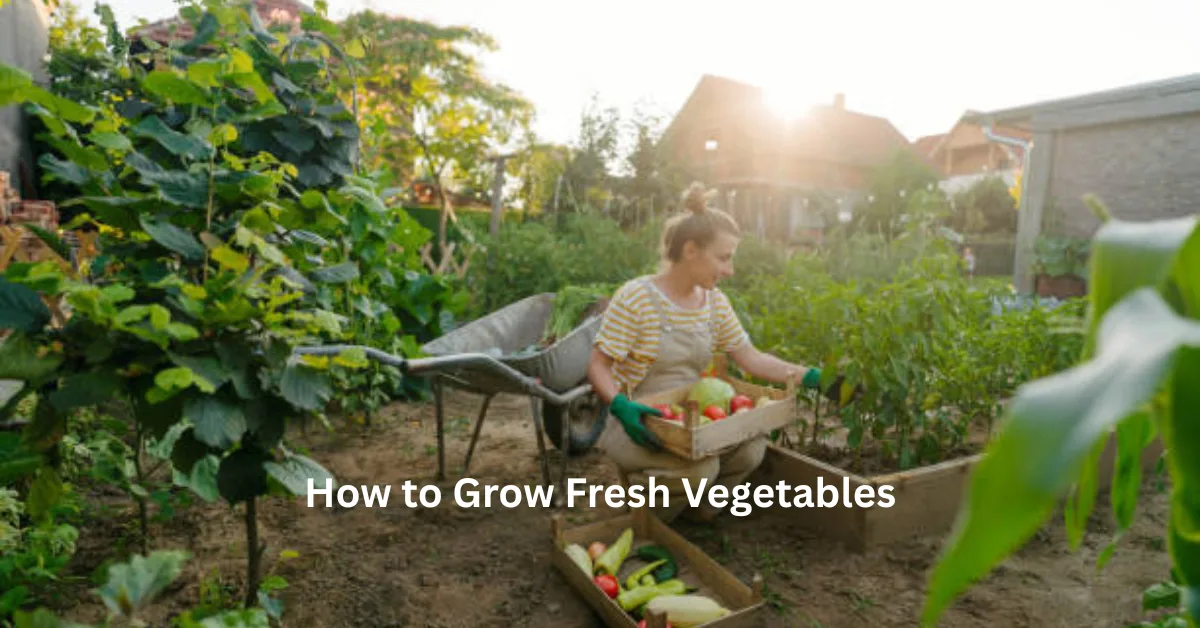
Grow Fresh Vegetables at Home for Your Family
A Friendly, Step-by-Step Guide for Beginners — No Farm Needed!
🌱 Introduction: Your Balcony, Terrace, or Backyard Can Feed Your Family
What if your family could eat fresh, chemical-free vegetables every single week — grown by your own hands, just steps away from your kitchen?
This is not a fantasy. Millions of urban families around the world — in apartments, townhouses, and small homes — are already doing this. Whether you have a large backyard, a sunny terrace, a small balcony, or even just a bright windowsill, you have enough space to start growing food for your family.
Home farming is not about replacing your supermarket. It is about supplementing your family’s diet with the freshest, healthiest produce possible — while saving money, reducing waste, and teaching your children something priceless: where real food comes from.
In this guide, we will walk through everything step by step — in simple, friendly language — so that even if you have never grown a single plant in your life, you will know exactly how to start.
💡 Good to Know: You do not need a garden to grow food. A few pots on a balcony or terrace is more than enough to start.
🏡 Why Home Farming is One of the Best Things You Can Do for Your Family
Before we get into the “how”, let’s talk about the “why” — because when you understand the real benefits, you will feel genuinely motivated to start.
1. You Know Exactly What You Are Eating
Store-bought vegetables travel hundreds of kilometres before they reach your plate. Along the way, they are sprayed with preservatives, pesticides, and sometimes coated with wax to look fresher than they are. When you grow at home, what you pick is what you eat — clean, fresh, and honest.
2. It Saves Real Money
Growing leafy greens like spinach, fenugreek, and coriander at home can eliminate your need to buy them for most of the year. A single pot of spinach, if replanted regularly, can produce greens worth hundreds of rupees (or dollars) over a season — at a fraction of the cost.
3. It Is a Wonderful Activity for the Whole Family
Children who grow vegetables are far more likely to eat them. Gardening builds responsibility, patience, and curiosity. It gives your family a shared project — something to check on every morning together.
4. It Is Good for Your Mental Health
Spending even 15–20 minutes a day tending to plants is proven to reduce stress, lower blood pressure, and improve mood. Gardening connects you to the natural world in a way that urban life often denies us.
5. It Reduces Your Household’s Environmental Impact
Home-grown food has zero transport emissions, zero plastic packaging, and zero food miles. It is one of the simplest and most impactful things an urban family can do for the environment.
📐 Step 1: Understand Your Space — Any Space Works
The most common reason people never start home farming is that they think they don’t have enough space. Let’s clear that up right now.
Option A — Backyard or Ground-Level Garden
If you have a backyard, courtyard, or any open patch of ground — even a 6×6 foot area — you can grow enough vegetables to supplement your family’s weekly needs very comfortably. This is the most productive setup.
Option B — Terrace or Rooftop Garden
Terrace gardening is the most popular form of urban home farming in South Asia. You can grow almost anything in containers, grow bags, or raised beds. Just make sure your terrace receives at least 5–6 hours of direct sunlight daily.
Option C — Balcony Garden
A standard apartment balcony can hold 15–25 medium pots easily. South-facing or west-facing balconies are best. You can grow leafy greens, chillies, tomatoes, herbs, and even beans on a balcony trellis.
Option D — Windowsill or Indoor Kitchen Garden
No balcony? No problem. A sunny windowsill can support herbs like basil, mint, and coriander in small pots. These are the most-used kitchen herbs and they thrive indoors near a bright window.
💡 Beginner Tip: Start with just 5–10 pots. Master those before expanding. It is better to do a small garden well than a large garden poorly.
🥬 Step 2: Choose the Right Vegetables to Grow First
One of the biggest mistakes beginners make is choosing difficult or slow crops first — and then feeling discouraged when nothing seems to be happening. Start with fast, rewarding, easy crops.
Best Crops for Absolute Beginners
- Spinach (Palak): Ready in 25–30 days, grows in any pot, loves shade, highly nutritious. Perfect first crop.
- Fenugreek (Methi): Grows in 2–3 weeks, great in small containers, used daily in Indian cooking.
- Coriander (Dhania): Grow from kitchen seeds, ready in 3 weeks, replant continuously for non-stop supply.
- Radish (Mooli): Underground crop, ready in 3–4 weeks, very low maintenance, kids love pulling them out.
- Chillies: Takes 2–3 months to first fruit but then produces for 1–2 years. One plant per pot.
- Spring Onions: Grow from kitchen scraps, extremely fast, can be harvested repeatedly.
- Mint (Pudina): Almost impossible to kill. Spreads rapidly. Keep in its own pot.
Intermediate Crops (Try After Your First Success)
- Tomatoes: Needs a stake or support, takes 60–80 days, but extremely rewarding and productive.
- Brinjal (Eggplant): Well suited to warm climates, long fruiting season, good in large pots.
- Okra (Bhindi): Fast growing (45–55 days to first harvest), heat-tolerant, very productive.
- Capsicum (Bell Pepper): Slow but beautiful. Great on terraces with full sun.
💡 Smart Tip: Grow what your family actually eats every week. If you eat spinach and coriander daily, start there. You will see immediate value and stay motivated.
🌍 Step 3: Prepare the Right Soil or Potting Mix
Soil is the foundation of everything. Even the best seeds will fail in poor soil. The good news is that making excellent potting mix at home is simple and inexpensive.
The Perfect Basic Potting Mix for Beginners
Use this ratio for most vegetables in pots or containers:
- 40% regular garden soil or red soil
- 40% compost (home compost, vermicompost, or well-rotted cow dung)
- 20% cocopeat (coconut fiber) — available at any nursery for very low cost
This mix drains well (so roots don’t rot), holds moisture (so you don’t water too often), and provides consistent nutrition to your plants.
For Ground Beds
Loosen the soil to about 12 inches deep using a hand fork or small spade. Remove weeds, stones, and debris. Mix in 1–2 buckets of compost per square meter. Water the bed lightly and leave it for 2 days before planting.
What to Avoid in Potting Mix
- Pure garden soil alone — too heavy and compacts in pots, suffocating roots
- Soil from construction sites — may contain chemicals and debris
- Unrotted (fresh) cow dung — too strong, will burn young roots
💡 Money-Saving Tip: Start a small compost bin at home using kitchen vegetable scraps. Within 6–8 weeks you will have free, high-quality compost for your garden.
🪣 Step 4: Choose Your Containers — You Don’t Need to Buy Anything Fancy
Almost any container can be used for home gardening. You do not need expensive pots. Here is what works well:
What Works Great
- Plastic grow bags: Lightweight, cheap, come in multiple sizes. Excellent for tomatoes, brinjal, and chillies.
- Old plastic buckets or tubs: Ideal for larger plants. Drill drainage holes at the bottom.
- Terracotta (clay) pots: Beautiful and breathable but dry out faster. Good for herbs.
- Wooden crates or boxes: Excellent for raised beds on terraces. Line with plastic before filling.
- Recycled containers: Old cooking oil tins, milk cans, or even plastic bottles can grow herbs beautifully.
Container Size Guide
- Small (5–8 liters): Herbs, coriander, fenugreek, spinach, spring onions
- Medium (10–15 liters): Chillies, radish, small tomato varieties, lettuce
- Large (20–30 liters): Tomatoes, brinjal, okra, capsicum, cucumbers
💡 Important: Every container MUST have drainage holes at the bottom. Waterlogged soil will kill your plants within days.
💧 Step 5: Watering — The Most Common Mistake and How to Avoid It
Overwatering kills more home garden plants than anything else. Most beginners water too much, too often, thinking more water means better growth. The opposite is true.
The Golden Rule of Watering
Push your finger about 1 inch into the soil. If it feels dry — water. If it still feels moist — wait another day. Simple as that.
General Watering Guide by Season
- Summer (hot, dry weather): Water once in the morning and once in the evening for most pot plants.
- Monsoon / Rainy season: Let the rain do the work. Only water if there has been no rain for 2+ days. Ensure pots are draining well.
- Winter: Water once every 1–2 days in the morning. Plants grow slowly and need less water.
Best Time to Water
Always water in the early morning (before 9 AM) or in the evening (after 5 PM). Avoid watering in the hot afternoon sun — water evaporates too fast and can scorch leaves.
💡 Water-Saving Tip: Place a small saucer under each pot to catch dripping water. The plant will absorb this water slowly through the drainage holes — reducing how often you need to water.
☀️ Step 6: Sunlight — Know What Your Plants Need
Sunlight is food for plants. Most vegetables need direct sunlight to produce well. Understanding your space’s sun patterns will help you place the right plants in the right spots.
- Full Sun (6+ hours direct sunlight): Tomatoes, chillies, okra, brinjal, capsicum, beans, cucumbers. These must be in the sunniest spot you have.
- Partial Sun (3–5 hours): Spinach, fenugreek, coriander, mint, radish. These can handle some shade and even prefer it in peak summer.
- Shade-Tolerant: Most leafy herbs — mint, curry leaves, lemon grass. Good for shaded balconies.
If your balcony or terrace gets less than 3 hours of direct sunlight, focus on leafy greens and herbs. Do not try to grow fruiting vegetables (tomatoes, chillies) in low-light conditions — they will not produce fruit.
🌾 Step 7: Harvesting — The Most Rewarding Part
This is the moment every home grower looks forward to. Knowing when and how to harvest is important — harvesting correctly actually encourages your plant to produce more.
Harvest Young and Often
For leafy vegetables like spinach and fenugreek, harvest the outer leaves first and let the centre keep growing. This “cut and come again” method can extend your harvest by weeks.
For chillies and tomatoes, pick fruits as soon as they reach their full colour and size. The more you pick, the more the plant produces. Leaving ripe fruits on the plant signals it to stop producing.
For coriander and methi, snip from the top with scissors. New growth will emerge from the sides within days.
💡 First-Timer Joy: The first vegetable you harvest from your own garden will taste better than anything you have ever bought. That feeling will keep you gardening for life.
❓ Frequently Asked Questions (FAQ)
Q: How much time does home farming really take every day?
For a small container garden of 10–15 pots, you need about 15–20 minutes a day for watering and checking plants. Weekends may take 30–45 minutes for planting, fertilizing, or repotting. It is genuinely manageable for a busy family.
Q: Do I need to use chemical fertilizers?
No. For home farming, organic feeding is the best approach. Use kitchen compost, vermicompost, or diluted liquid fertilizer (like liquid compost or cow dung water) once every 2–3 weeks. This is safe for children and pets and produces healthy, chemical-free vegetables.
Q: What if I travel or go on holiday?
Group your pots together in the shadiest spot available. Water them well before you leave. If you are away for more than 4–5 days, ask a neighbor or family member to water every 2 days. For longer trips, consider a simple drip irrigation kit — available cheaply at any garden store.
Q: My plants are dying — what am I doing wrong?
The three most common causes are: (1) overwatering, (2) not enough sunlight, and (3) poor potting mix. Check drainage holes first — if water is not draining, roots are rotting. Next, check sun exposure. Finally, check if the soil is too compacted or nutrient-poor.
Q: Is it worth it financially?
Absolutely. A basic starter garden of 10 pots costs roughly Rs. 500–1,000 (or $10–20) to set up, including soil, containers, and seeds. Within one growing season, you can easily harvest vegetables worth 3–5 times that amount — and the containers and tools can be reused for years.
🌿 Conclusion: Start Small, Start Today
Home farming is not about becoming self-sufficient overnight. It is about taking one small step — placing one pot of spinach seeds on your balcony — and experiencing the joy and satisfaction of growing your own food.
Start with just 3–5 pots. Grow what your family loves to eat. Be patient, observe your plants daily, and enjoy the process. Within a few weeks, you will be harvesting your first leaves — and you will wonder why you did not start sooner.
At MoralInsights.com, we are here to support every step of your farming journey — with free tools, calculators, and practical guides designed for real families in real homes. Explore our full range of free farming tools and calculators to plan your home garden even better.
Happy Farming! 🌱
— Mrs. Lalita Sontakke, MoralInsights.com