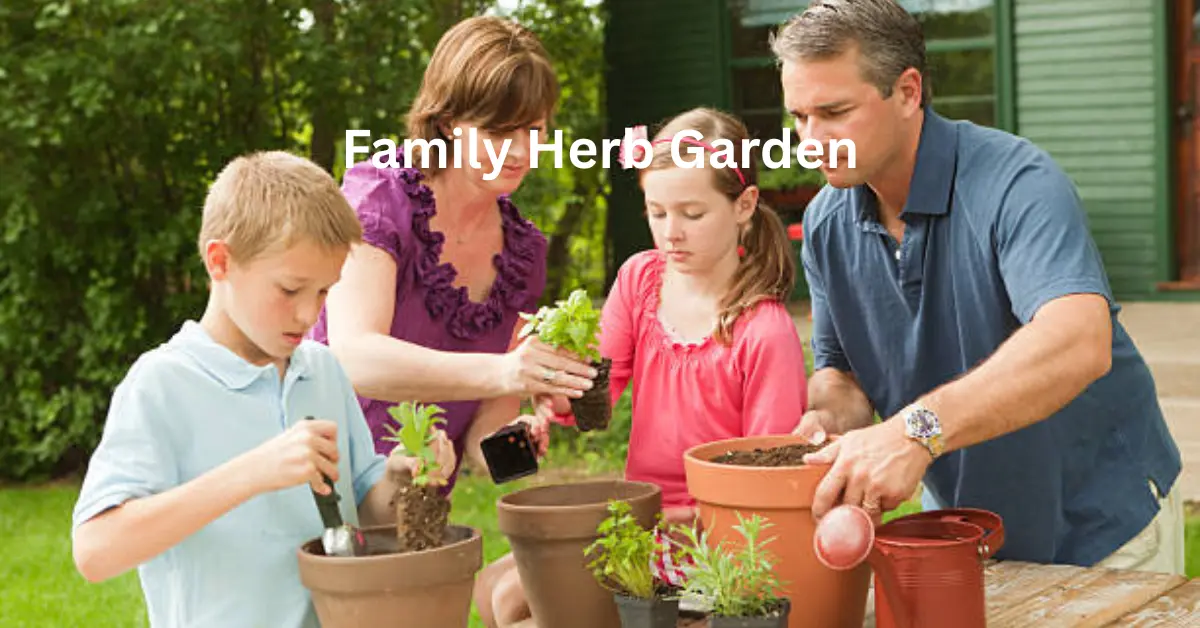
The Family Herb Garden: 12 Must-Grow Herbs, How to Grow Them, and How to Use Them in Your Kitchen Every Day
A Complete Grower’s and Cook’s Guide to the Most Useful Herbs You Can Grow at Home — in Pots, on Balconies, or in Any Small Space
🌿 The Herb Garden — Your Kitchen’s Best Friend
There is a moment every cook knows. You reach for fresh coriander and find the bunch you bought three days ago has wilted to a sorry, yellowing heap in the refrigerator crisper. Or you are mid-recipe and realise the mint you need is at the market, ten minutes away. Or you pick up a small bunch of fresh basil at the supermarket, use three leaves, and watch the rest turn black within two days.
Fresh herbs are one of the most purchased and most wasted food items in any home. They are expensive for what you get, they deteriorate within days of purchase, and they are used in such small quantities each time that a whole bunch rarely gets used before it spoils. The solution is so obvious, so simple, and so satisfying that it is remarkable more families have not made it permanent: grow your own herbs at home.
A kitchen herb garden is the single most cost-effective, highest-return growing project available to any home gardener. The herbs you use most often in daily cooking — coriander, mint, fenugreek, curry leaves, basil, spring onions, lemon grass — all grow happily in small pots on a windowsill, balcony railing, or kitchen shelf. They require minimal space, minimal care, and minimal cost to establish. And they return that investment every single time you walk to your garden and snip what you need, freshly, exactly as you need it.
This guide profiles twelve essential herbs — chosen specifically for their combined value to the Indian family kitchen and global home cooks — with complete growing instructions and specific, practical kitchen uses for each one. Whether you are starting with a single pot of mint on a windowsill or planning a full balcony herb collection, this is your complete reference.
💰 Money Saved: Fresh herbs from markets cost $1-2 per bunch and spoil within 3–5 days. A single pot of coriander or mint, grown at home, provides continuous fresh harvests for 4–6 weeks from seeds costing $1. A family that grows just 4 herbs at home saves $5–10 per month on fresh herbs alone — $50-100 per year from four small pots.
🎯 Why Herbs Are the Perfect Starting Point for Any Home Garden
If you are new to home gardening, or returning after a break, herbs are where every experienced grower will tell you to begin — and for very good reasons.
- Fast results — Most culinary herbs are ready for their first harvest in 2–4 weeks from sowing. This rapid feedback builds confidence and motivation far more effectively than waiting months for tomatoes or brinjal to fruit.
- Tiny space requirements — The twelve herbs in this guide can all be grown in containers as small as 500ml — a single large yoghurt container or repurposed bottle. A full collection of all twelve fits comfortably on a standard balcony railing or a 1-metre kitchen windowsill.
- Daily connection to your kitchen — Every time you cook and need fresh herbs, you interact with your garden. This daily connection builds the watering habit, the observation habit, and the genuine gardening lifestyle more naturally than any other crop.
- Extremely low cost to start — Seeds for most culinary herbs cost Rs. 10–30 per packet. Several — fenugreek, coriander — can be sourced free from your kitchen spice shelf. Starting a collection of 6 herbs costs less than a single bunch of fresh herbs from the market.
- Forgiving of beginner mistakes — Most herbs recover well from irregular watering, less-than-perfect sunlight, and occasional neglect. They are resilient, fast-growing, and quick to bounce back — ideal for building confidence while learning.
🌱 Start With Three: If you are completely new to herb growing, start with just three pots this week: coriander, mint, and fenugreek. These three cover the most-used herbs in the Indian kitchen, are the easiest to grow, and will give you a harvest within 3 weeks. Master these three, then expand your collection one herb at a time.
🌿 The 12 Essential Kitchen Herbs — Complete Growing and Cooking Profiles
Each herb profile below gives you everything you need: difficulty level, light and water requirements, the right pot size, the best season to grow, specific kitchen uses, and one grower’s tip that makes the difference between average and excellent results.
🌿 Herb 1: Coriander
⭐ Difficulty: Very Easy ⭐ ☀️ Light: Full sun to partial shade 💧 Water: Moderate — allow surface to dry between watering
🪣 Pot Size: Any container 10cm+ deep 📅 Best Season: Year-round; best Oct–Mar in India
🍽️ Kitchen Uses: Garnishing dal, sabzi, chutneys, raita, soups, salads, biryanis, and marinades. Both leaves and seeds are used. Roots can be used in Thai-style curry pastes.
💡 Grower’s Tip: Sow thickly and harvest with scissors from outside edges, leaving the centre growing tip. Sow a fresh batch every 3 weeks for continuous supply. In summer heat above 32°C, coriander bolts quickly — move to morning sun only and harvest more frequently to delay flowering.
🌱 Herb 2: Mint
⭐ Difficulty: Very Easy ⭐ ☀️ Light: Partial shade preferred — direct afternoon sun causes stress 💧 Water: Regular — mint likes consistent moisture but hates waterlogging
🪣 Pot Size: Any container 15cm+ deep; spreads aggressively so keep in own pot 📅 Best Season: Year-round; most productive in spring and autumn
🍽️ Kitchen Uses: Chutney, raita, chaas, mojitos, teas, salads, lamb dishes, biryani garnish, lemonade, paan accompaniments. Fresh mint transforms plain water into a refreshing drink.
💡 Grower’s Tip: Never let mint dry out completely — it wilts dramatically but recovers if watered promptly. Keep mint in its own dedicated container; it spreads by underground runners and will crowd out neighbouring herbs if mixed. Harvest by cutting the top third of stems — never strip all leaves. Replace plants every 12–18 months when they become woody.
🌿 Herb 3: Fenugreek
⭐ Difficulty: Very Easy ⭐ ☀️ Light: Full sun to partial shade 💧 Water: Moderate — water when top 2cm of soil dries
🪣 Pot Size: Any container 10cm+ deep — very compact 📅 Best Season: Best Oct–Feb; struggles in peak summer heat
🍽️ Kitchen Uses: Methi sabzi, dal methi, methi paratha, aloo methi, methi chicken, methi rice. Young tender leaves are most prized. Dried leaves (kasuri methi) can be made from surplus harvest.
💡 Grower’s Tip: Use kitchen fenugreek seeds directly from your spice shelf — germination is excellent. Sow densely for baby leaf harvests or sow more sparsely for full-size plants. To make kasuri methi: harvest surplus leaves, wash, spread on newspaper and dry in shade for 3–4 days, then crumble and store in an airtight jar. This extends your harvest value enormously.
🍃 Herb 4: Curry Leaves
⭐ Difficulty: Moderate ⭐⭐ ☀️ Light: Full sun — needs at least 6 hours of direct sunlight daily 💧 Water: Moderate — drought-tolerant once established; reduce in winter
🪣 Pot Size: Minimum 10-litre container; grows into a small shrub over time 📅 Best Season: Year-round; slowest growth in winter
🍽️ Kitchen Uses: Tadka (tempering) for dal, sambar, rasam, coconut chutney, poha, upma, fish curry, chicken dishes. Irreplaceable aroma in South Indian cooking — fresh leaves are dramatically more aromatic than dried or frozen.
💡 Grower’s Tip: Start from a cutting or seedling rather than seeds — seed germination is unreliable and very slow. Take a 15cm cutting from an existing plant, remove lower leaves, and root in moist cocopeat. Curry leaf plants take 6–12 months to establish and become productive but then provide harvests for years. Fertilize monthly with banana peel liquid for lush, aromatic leaf production. Never let the plant sit in waterlogged soil.
🌿 Herb 5: Basil
⭐ Difficulty: Easy ⭐ ☀️ Light: Full sun — loves warmth and 6+ hours of direct sun 💧 Water: Regular — water when top soil dries; hates cold wet roots
🪣 Pot Size: Minimum 1-litre container per plant 📅 Best Season: Best Mar–Sep; cold-sensitive — protect below 15°C
🍽️ Kitchen Uses: Italian basil: pasta sauces, pesto, pizza, bruschetta, caprese salad, herb butter. Holy basil (Tulsi): herbal teas, kadha, Ayurvedic remedies, Thai basil dishes. Both have intense, complex aromas that are completely lost in dried form.
💡 Grower’s Tip: Pinch off flower buds the moment they appear — flowering causes leaves to turn bitter and the plant to decline rapidly. Pinching also encourages bushy, dense growth rather than a single tall stem. Harvest whole stems rather than individual leaves. Keep basil in the warmest, sunniest spot in your collection — it genuinely thrives in heat that stresses other herbs.
🌾 Herb 6: Spring Onion / Green Onion
⭐ Difficulty: Very Easy ⭐ ☀️ Light: Full sun to partial shade 💧 Water: Regular — consistent moisture for best growth
🪣 Pot Size: Any container 15cm+ deep 📅 Best Season: Year-round; best in cooler months
🍽️ Kitchen Uses: Chinese fried rice, noodles, salads, raita, omelettes, sandwiches, dips, garnish for soups and dal. Both green tops and white bulb portions are used. The green tops can be harvested continuously while roots re-grow.
💡 Grower’s Tip: Regrow spring onions for free by placing the root end (last 2–3cm with roots) in a small container of moist soil or even a glass of water on a windowsill. New green shoots emerge within 4–5 days. A single bunch from the market can be continuously regrown for months at zero additional cost — one of the most satisfying and effortless kitchen garden projects available.
🍋 Herb 7: Lemongrass
⭐ Difficulty: Easy ⭐ ☀️ Light: Full sun — thrives in heat 💧 Water: Moderate — drought-tolerant; water when top 3cm dries
🪣 Pot Size: Minimum 5-litre container; grows into a clump over time 📅 Best Season: Year-round in warm climates; most vigorous in summer
🍽️ Kitchen Uses: Lemongrass tea (one of the most popular home drinks in India), Thai curries and soups, herbal kadha for immunity, infused water, desserts. The lower white stem is used for cooking; the upper green stalks for tea.
💡 Grower’s Tip: Propagate free by separating outer stalks from an existing clump with roots attached and potting separately — no seeds needed. Ask a neighbour or family member who grows lemongrass for a division. One plant becomes a productive clump within 3–4 months and can be divided again for sharing. Lemongrass is essentially maintenance-free once established — water, occasional fertilizing, and seasonal dividing is all it needs.
🌿 Herb 8: Dill
⭐ Difficulty: Easy ⭐ ☀️ Light: Full sun to partial shade 💧 Water: Moderate — water regularly but avoid waterlogging
🪣 Pot Size: Any container 15cm+ deep 📅 Best Season: Best Oct–Mar; bolts quickly in summer heat
🍽️ Kitchen Uses: Dill sabzi (Suva bhaji), dill rice, fish dishes, pickles, potato dishes, dhal, raita. Both feathery leaves and dried seeds are used. Young tender leaves have the most delicate flavour.
💡 Grower’s Tip: Dill does not transplant well — sow directly in its final container. Sow in succession every 3 weeks for continuous supply since dill bolts and flowers quickly in warm weather. When dill flowers, allow one plant to set seed fully — the dried seed heads provide both culinary seeds for your kitchen and planting seeds for the next batch, making dill completely self-sustaining once established.
🌱 Herb 9: Curry Herb
⭐ Difficulty: Very Easy ⭐ ☀️ Light: Full sun to partial shade 💧 Water: Low to moderate — very drought-tolerant once established
🪣 Pot Size: Minimum 2-litre container 📅 Best Season: Year-round; most vigorous in spring and autumn
🍽️ Kitchen Uses: Ajwain paratha, fried snacks and pakoras, tadka for dal, digestive herbal water (ajwain water), poori dough, fish fry coating. Seeds and leaves both used — leaves have a strong, distinctive thyme-like flavour.
💡 Grower’s Tip: Ajwain propagates easily from leaf-tip cuttings — snip a 5–8cm tip, remove lower leaves, and push into moist cocopeat. Roots form within 10–14 days. The plant grows into a compact, attractive bush and is genuinely one of the most useful and underrated kitchen herbs in the Indian garden. Harvest young leaves regularly to keep the plant bushy and productive.
🌿 Herb 10: Spinach
⭐ Difficulty: Very Easy ⭐ ☀️ Light: Partial shade to full sun — avoid intense afternoon sun in summer 💧 Water: Regular — moisture-loving; do not let soil dry completely
🪣 Pot Size: Any container 15cm+ deep 📅 Best Season: Best Sep–Feb; bolts in summer heat
🍽️ Kitchen Uses: Palak paneer, palak dal, palak paratha, palak soup, saag dishes, smoothies, salads, stir-fries. Nutritionally dense — high in iron, calcium, vitamins A, C, and K. One of the most valuable home-grown vegetables for family health.
💡 Grower’s Tip: Spinach is technically a vegetable but belongs in every kitchen herb garden because of its daily use and continuous harvest nature. Always harvest outer leaves first, leaving the central growing crown intact for continuous production. A single pot of spinach harvested correctly provides 6–8 cuttings over its productive life. Sow a new batch every 3 weeks through autumn and winter for uninterrupted supply.
🌱 Herb 11: Parsley
⭐ Difficulty: Moderate ⭐⭐ ☀️ Light: Partial shade to full sun 💧 Water: Regular — consistent moisture; hates drying out
🪣 Pot Size: Minimum 2-litre container — has a deep taproot 📅 Best Season: Best Oct–Mar; slow in peak summer
🍽️ Kitchen Uses: Continental and fusion cooking, salads, soups, pasta, omelettes, sandwiches, tabbouleh, herb butters, garnishes. Flat-leaf Italian parsley has stronger flavour than curly parsley and is preferred for cooking.
💡 Grower’s Tip: Parsley is slow to germinate — 2–3 weeks is normal, so do not give up. Soak seeds in warm water for 12 hours before sowing to improve germination speed. Once established, parsley is a prolific producer that lasts many months. Use it continuously — regular harvesting keeps the plant producing vigorously. Parsley is rich in vitamin C and iron, making it one of the most nutritious herbs you can grow.
🌿 Herb 12: Stevia
⭐ Difficulty: Moderate ⭐⭐ ☀️ Light: Full sun — needs 6+ hours for maximum sweetness 💧 Water: Regular — keep consistently moist; does not tolerate drought
🪣 Pot Size: Minimum 2-litre container 📅 Best Season: Year-round in warm climates; protect below 10°C
🍽️ Kitchen Uses: Natural zero-calorie sweetener for tea, coffee, lemonade, smoothies, herbal drinks, yoghurt, and desserts. Fresh leaves are 30–40 times sweeter than sugar with zero calories. Diabetic-friendly and a powerful alternative to refined sugar.
💡 Grower’s Tip: Start stevia from a cutting or seedling rather than seed — seed germination is unreliable. Harvest by snipping fresh leaves as needed — the plant grows continuously in warm conditions. For a stored supply: harvest entire stems, dry in shade for 3–4 days, crumble the dried leaves into a powder, and store in an airtight jar. This dried powder can replace sugar in hot drinks throughout the year. One established stevia plant can meaningfully reduce a family’s sugar consumption.
📋 At-a-Glance Herb Reference — All 12 in One Table
Use this summary table as your quick daily reference — stick it on the refrigerator or save it on your phone:
| Herb | Difficulty | Light | Water | Best Season | Top Kitchen Use |
| Coriander | ⭐ Easy | Sun/Shade | Moderate | Oct–Mar | Chutney, garnish, dal, curries |
| Mint | ⭐ Easy | Partial shade | Regular | Year-round | Chutney, raita, teas, drinks |
| Fenugreek | ⭐ Easy | Sun/Shade | Moderate | Oct–Feb | Methi sabzi, paratha, dal |
| Curry Leaves | ⭐⭐ Moderate | Full sun | Moderate | Year-round | Tadka, sambar, chutney, rasam |
| Basil | ⭐ Easy | Full sun | Regular | Mar–Sep | Pesto, pasta, pizza, kadha |
| Spring Onion | ⭐ Easy | Sun/Shade | Regular | Year-round | Fried rice, salads, garnish |
| Lemongrass | ⭐ Easy | Full sun | Low–Mod | Year-round | Lemongrass tea, Thai dishes |
| Dill | ⭐ Easy | Sun/Shade | Moderate | Oct–Mar | Suva bhaji, fish, rice, pickle |
| Ajwain | ⭐ Easy | Sun/Shade | Low | Year-round | Paratha, pakora, tadka, kadha |
| Spinach | ⭐ Easy | Part shade | Regular | Sep–Feb | Palak paneer, dal, paratha |
| Parsley | ⭐⭐ Moderate | Part shade | Regular | Oct–Mar | Salads, pasta, soups, garnish |
| Stevia | ⭐⭐ Moderate | Full sun | Regular | Year-round | Sugar substitute in tea, drinks |
📌 Print This Table: This quick-reference table is designed to be printed and kept in your kitchen or on your garden shelf. At a glance it tells you everything you need to know about care requirements and kitchen uses for all twelve herbs and must go our Starting a Home Garden, Seed Calculator, Irrigation Scheduling Calendar articles.
✂️ How to Harvest Herbs Correctly — The Skill That Doubles Your Yield
The single most important skill in herb gardening is not planting, watering, or fertilizing — it is harvesting. Incorrect harvesting shortens a plant’s productive life dramatically and reduces your total yield. Correct harvesting stimulates the plant to produce more growth, extending productive life by months.
The Universal Herb Harvesting Rule
Never harvest more than one-third of any herb plant at one time. This leaves sufficient leaf area for the plant to continue photosynthesising and producing new growth. Harvesting more than one-third at once puts the plant into stress recovery mode rather than active production mode.
Cut Above a Leaf Node, Not at Random
When harvesting stems from bushy herbs like basil, mint, coriander, and ajwain, always cut just above a pair of leaves (a leaf node). The plant will send out two new stems from that node, producing a bushier, more productive plant with each harvest. Cutting at random points produces a scraggly, unproductive plant that recovers slowly.
Harvest in the Morning
Herbs have the highest concentration of essential oils — and therefore the most intense flavour and aroma — in the early morning before the heat of the day causes some volatilisation. Herbs harvested in the morning and used the same day have measurably better flavour than those harvested in the afternoon.
Harvest Regularly to Prevent Bolting
Regular harvesting delays the flowering (bolting) of herbs like coriander, dill, basil, and fenugreek. Once these plants flower, their leaf production declines and leaves often become bitter. Frequent harvesting — taking small amounts every few days rather than a large amount every few weeks — signals the plant to continue vegetative growth rather than moving into its reproductive phase.
🍳 Kitchen Tip: The best kitchen herbs are harvested moments before use. The volatile oils responsible for the aroma of fresh coriander, mint, and basil begin dissipating the moment the herb is cut. For dishes where fresh herb flavour is central — chutneys, raita, fresh salads — snip directly from plant to dish for the most vivid, aromatic results possible.
🧊 What to Do With Surplus Herbs — Preserving Your Harvest
A well-tended herb garden will occasionally produce more than you can use fresh. Here is how to preserve surplus herbs without losing their value:
- Freeze in ice cubes — Chop fresh herbs finely, place in ice cube trays, fill with water or olive oil, and freeze. Drop individual cubes directly into soups, curries, and sauces — the herb flavour is released as the cube melts.
- Make herb chutneys and pastes — Blend large quantities of coriander or mint with green chilli, ginger, and salt into a thick paste. Freeze in small portions in zip-lock bags flattened thin — break off pieces as needed. Lasts 2–3 months in the freezer.
- Dry in shade — Bundle stems loosely and hang upside down in a dry, shaded, well-ventilated area for 3–5 days. Dried herbs — particularly fenugreek (kasuri methi), dill, and ajwain — store in airtight jars for 3–6 months.
- Make herb oils — Pack fresh herbs into a clean glass jar and cover completely with warm olive or sesame oil. Seal and store in the refrigerator for up to 2 weeks. Use the flavoured oil in cooking — it carries all the herb’s flavour beautifully.
- Make herbal teas — Dry mint, lemongrass, and tulsi leaves thoroughly and store in airtight jars. Use as loose leaf tea throughout the year — a particularly valuable way to preserve lemongrass and tulsi which grow prolifically in warm months.
❓ Frequently Asked Questions(FAQ)
Q: My coriander always bolts and flowers within 2 weeks. How do I stop this?
Rapid bolting in coriander is almost always caused by one or more of three factors: heat above 30°C, insufficient watering, or being rootbound in too small a container. In hot weather, move coriander pots to morning sun only and shade from afternoon sun completely. Water more frequently — the soil should never dry out fully. Use the largest container practical — a deeper, larger pot stays cooler and slows bolting significantly. Sowing a fresh batch every 2–3 weeks ensures continuous supply even when individual batches bolt quickly in warm conditions.
Q: My mint has taken over its pot and the roots are coming out of the drainage holes. What should I do?
Mint is vigorous and will fill any container completely within one growing season. When you see roots emerging from drainage holes, it is time to divide or repot. Remove the plant, separate it into 3–4 sections by hand or with a clean knife, discard the oldest woody central section, and repot the younger outer sections into fresh potting mix. This division refreshes the plant, provides you with multiple new plants to expand your collection or share, and resets the vigorous growth cycle. Divide mint every 12–18 months for continuously productive plants.
Q: Which herbs can grow indoors without direct sunlight?
Mint tolerates the lowest light levels and can grow on a bright indoor windowsill without direct sun. Coriander manages with 3–4 hours of indirect bright light. Spring onions and fenugreek can produce acceptable harvests in bright indoor conditions. All other herbs in this guide, particularly basil, lemongrass, stevia, and curry leaves, need direct sun to thrive and will produce thin, flavourless growth in low-light indoor conditions. For truly low-light indoor spaces, focus on sprouts and microgreens — these require no sunlight at all and are ready in 5–7 days.
Q: Can I grow all 12 herbs together in one large container?
Most of them, yes — with important exceptions. Never mix mint with other herbs in a shared container as it will spread aggressively by underground runners and crowd everything else out within weeks. Lemongrass also becomes very large and should have its own container. The remaining ten herbs can coexist in a large trough or raised bed style planter if given adequate spacing — at least 15cm between plants — and if their differing water needs are respected. Group moisture-loving herbs (spinach, parsley, basil) together and drought-tolerant ones (ajwain, lemongrass) separately for the easiest management.
🌿 Conclusion: Start Your Herb Garden This Week — Your Kitchen Will Thank You
A kitchen herb garden is one of those rare things in life that improves with almost no downside. It costs almost nothing to start. It requires only minutes of attention each day. It connects you and your family to growing food in the most immediate, daily, practical way possible. And it pays for itself in the first week of use — every single bunch of fresh coriander, every sprig of mint, every curry leaf snipped fresh from your own plant rather than bought, wilted, and wasted.
The twelve herbs in this guide cover almost every daily cooking need of the Indian family kitchen and the global home cook. Start with three or four that you use most often. Give each one a pot, a position with the right light, and consistent watering. Harvest correctly and regularly. Watch your kitchen transform as fresh herbs — always available, always at peak flavour — become a natural part of every meal you prepare.
This is not gardening as a hobby. This is gardening as a kitchen upgrade — one that saves money, reduces waste, improves the food your family eats, and brings a small but genuine daily joy to the act of cooking.
Visit MoralInsights.com for free tools to support every stage of your herb garden journey — from our Seed Calculator that tells you exactly how much to sow, to our Irrigation Scheduling Calendar that takes the guesswork out of watering. All completely free for every home gardener.
Grow fresh. Cook better. Feed your family with love. 🌿❤️
— Mrs. Lalita Sontakke, MoralInsights.com